The most useful preparation for the Gran Museo del Mundo Maya is a question you genuinely want to explore. You might ask how everyday life is represented, how an object’s meaning changes, or whose voices shape public memory. A question gives you a reason to pause and permission to leave some galleries for another visit.
The museum’s own introduction describes material from different periods, including archaeological objects, documents, textiles and everyday belongings. Its approach includes Maya life in the present. Arrive ready for that range rather than looking only for the most striking ancient pieces.
For a first encounter, follow an everyday object
Choose a recognisable category, such as clothing or containers, and notice how the exhibition explains production, use and movement. Read each example’s date and origin before connecting it with another. Similar-looking objects need not have served the same purpose or demonstrate an unbroken tradition.
The organising question is simple: what does this object tell us about the people who made or used it? If the label does not identify an individual, resist inventing one. If a contemporary voice is presented, give those words as much attention as the nearby objects.
After archaeological sites, look for other periods
Focus on documents, images and testimony that expand on what you saw among ancient buildings. Ask which processes connect that city with the present. A museum can help you identify questions for later research without being expected to explain every intervening century in a single afternoon.
UNESCO’s living-heritage principles centre communities. As a visitor, you can use that perspective to notice who is speaking in a display and how contributions are credited. It is a way to listen more carefully, rather than an invitation to judge from outside whether a cultural expression is authentic enough.
Read the building as a second subject
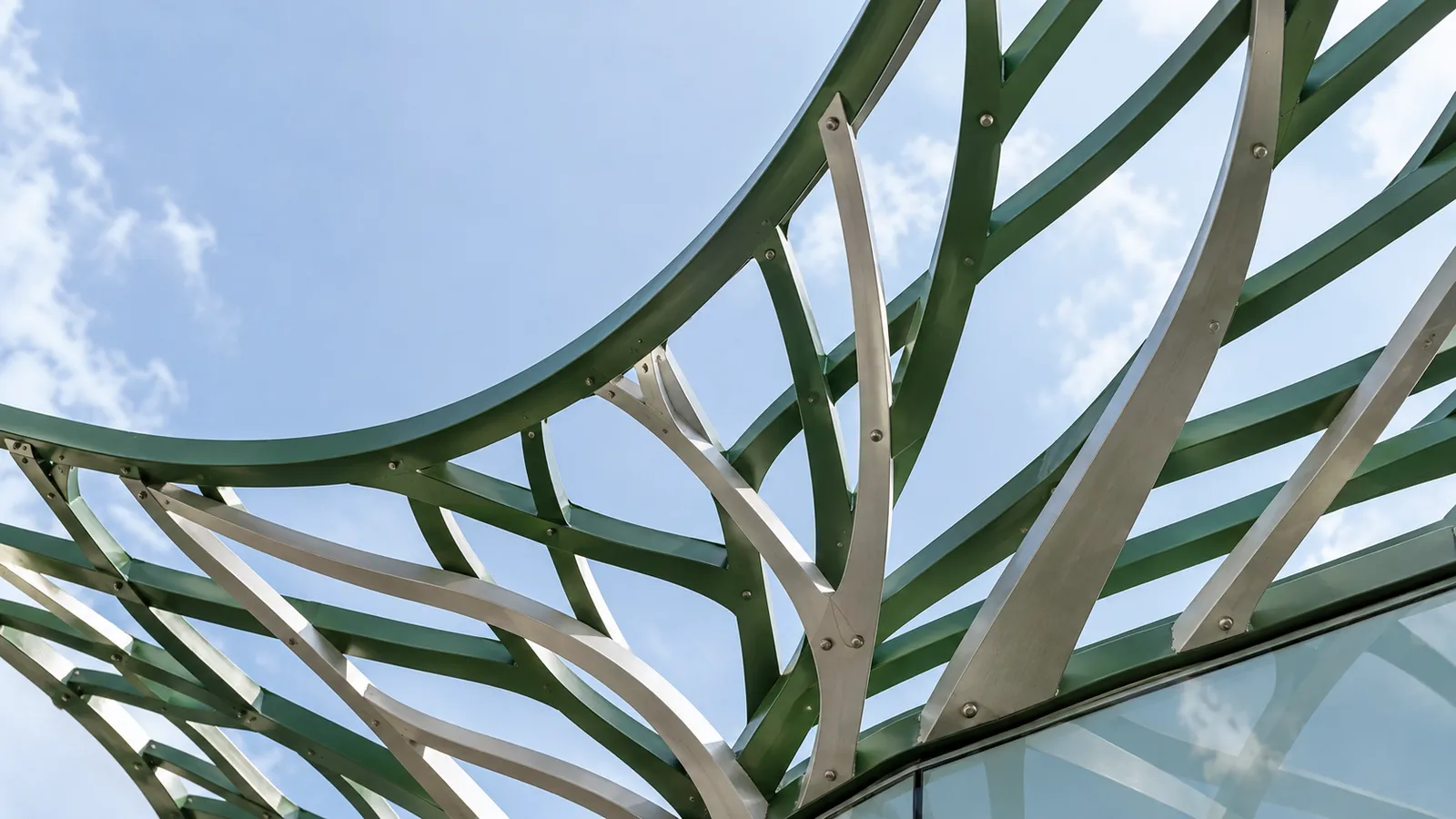
The museum explains its architecture through the image of a ceiba tree. Look at how the building’s volume, structure and open spaces develop that reference. Keep the contemporary architectural project distinct from the historical ideas that inspire it. The building offers an interpretation rather than a literal reproduction of an ancient structure.
If visiting with other people, agree on a meeting point and allow different interests. Someone may want to watch an audiovisual presentation while another prefers reading. With children, a specific comparison between two objects often works better than a race to finish every case.
Choose a stopping point before concentration fades. A visit that leaves you able to explain one object and ask a thoughtful question has achieved more than a complete circuit you barely remember.
Check practical arrangements before leaving
Ask the museum which areas are open, what guided interpretation is available, its language and the accessibility support on offer. If a guided visit is central to your plans, confirm it before travelling. Displays and services can change while the approach described here remains useful.
Leave with one question and one reference to pursue. Record the object’s name, provenance and the explanation you want to investigate, then ask the museum for a reading recommendation connected to that question.