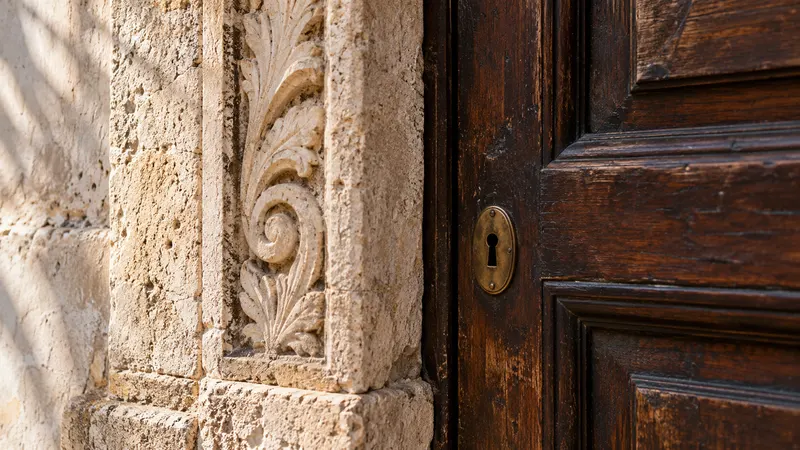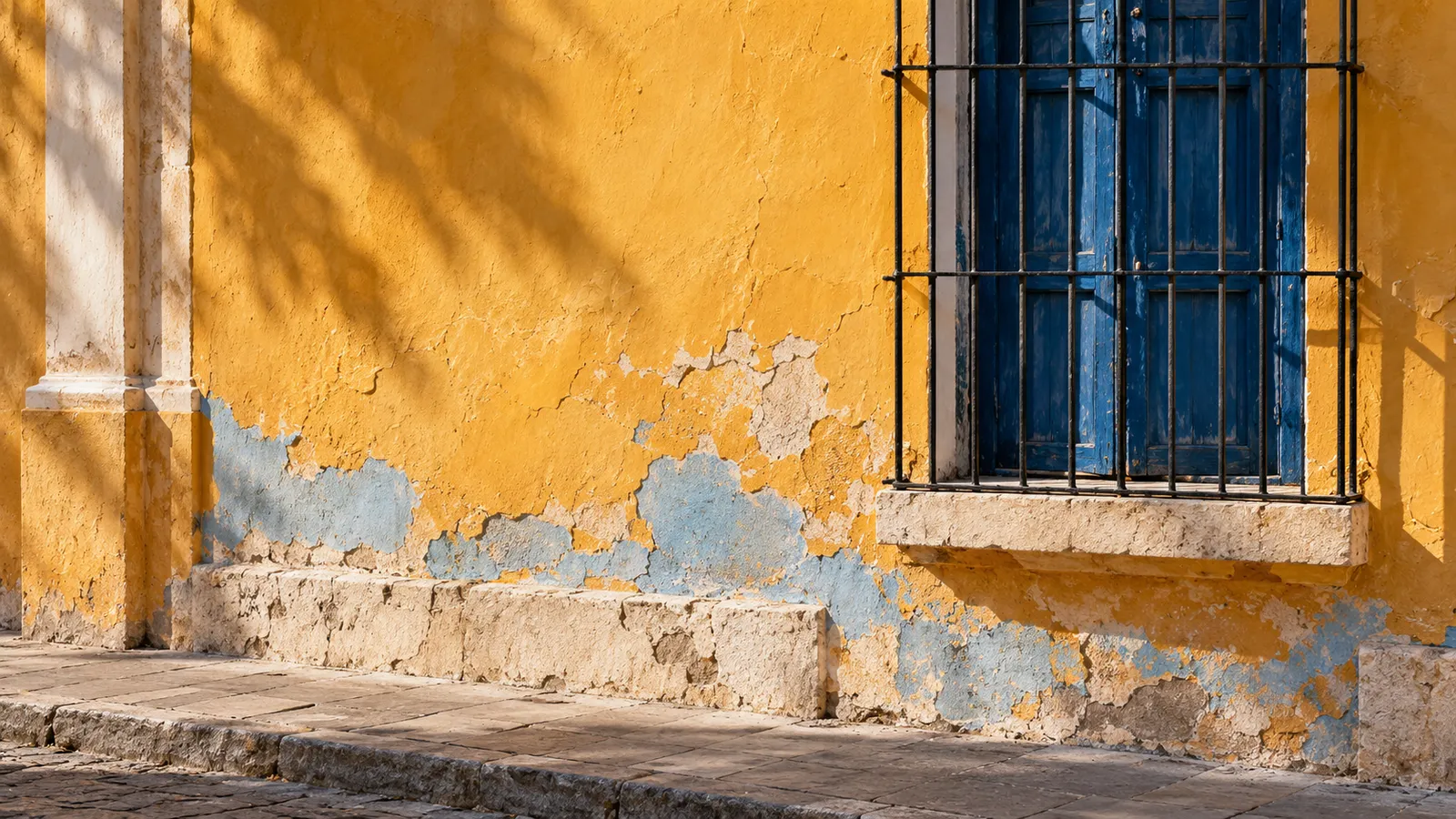
If the façades around the centre are beginning to look like one continuous historical period, Mérida City Museum can help separate them. Bring an urban question: how a street changed, which services altered everyday life, or who appears in surviving photographs. This creates a practical connection between the galleries and the city outside.
The national Cultural Information System identifies the museum’s home as the former Federal Post Office. It also describes displays spanning the pre-Hispanic city, the colonial period and the nineteenth and twentieth centuries. The building and collections allow different functions and periods to be considered together.
Begin with the city before its present name
Find how the exhibition introduces Th’o or Ichcaanzihó, Mérida’s Maya predecessor. Notice which information comes from objects and which from later reconstructions, plans or explanations. An interpretive image can be useful without being a photographic record of the past.
As you move into another period, ask what changed and what remains unclear. Avoid turning the sequence into a story in which one city simply disappears and a fully formed replacement arrives. Galleries offer selected evidence. A visitor can recognise those choices and ask questions without inventing a narrative to fill every gap.
Follow a service through its objects
The building’s former postal use suggests questions about communication, movement and administration. Find an object connected with one of those subjects, then read who used it and when. Do not assume it belonged to this particular building merely because it matches the building’s former function.
Alternatively, follow housing, education or transport, depending on what is displayed. Choose a subject and two examples from different periods. Compare only what the available information supports: material, users, purpose and scale. A comparison becomes stronger when its limits are acknowledged.
Read photographs as choices
For an old image, identify its maker, approximate date and location when those details are supplied. Notice what the framing includes and excludes. A formal portrait, a postcard and a workplace photograph have different purposes. None can independently establish how the entire population lived.
If you recognise a corner, record both its historic and present names without assuming they have always matched. For later research, the UADY library system provides entry points to catalogues and regional collections. Keep enough reference information to repeat your search rather than relying on a screenshot alone.
Leave with something you can examine outside
Choose one question for the walk afterwards: how a building meets the street, what a structure is used for now, or how a map differs from the visible city. Observe from public space. An old property is not automatically open to visitors.
You can also compare your own first impression with the evidence you found. Which assumption changed? Which question remains? These short notes make a second visit more purposeful than simply returning to see the same rooms.
Confirm opening arrangements, galleries and access before going, particularly if you need to avoid stairs. Explore another set of urban layers at Casa Montejo.