The Cathedral of San Ildefonso can interest you architecturally even if you do not share the faith of its worshippers. On arrival, first notice what is happening: general visiting, private prayer, a service or another activity that needs space. Adjusting your visit makes it possible to look closely without turning other people into part of the spectacle.
The Secretariat of Culture’s monument catalogue documents sixteenth-century construction with later alterations. It is a historical reference, not a worship timetable or a guarantee that every area is accessible.
Before entering
Look for notices about access, clothing and photography. If it is unclear whether visitors may walk around at that moment, ask a staff member. Clothing that lets you cover up when requested is a simple precaution. Do not turn an assumed custom into a universal rule without checking the venue’s actual instructions.
Put away food and drinks, silence your phone and prepare anything you need to consult. If visiting with a group, agree to discuss observations outside. Even quiet commentary can become constant background noise when many visitors do it together.
If a service is taking place
Choose between remaining respectfully in an allowed place and returning later to explore the architecture. Do not cross a procession, occupy a reserved area or approach the altar for a better camera angle. An open door does not mean every movement through the building is appropriate.
You need not imitate religious gestures you do not wish to perform. Follow directions about where to stand or move and remain discreet. If leaving, do so without disturbing people nearby. Weddings, funerals and private prayer call for particular restraint with a camera.
If someone in your group is unsure what to do, step outside to explain rather than holding a discussion in the middle of an activity. Visitors can be considerate without pretending to know every part of the service.
A useful architectural approach
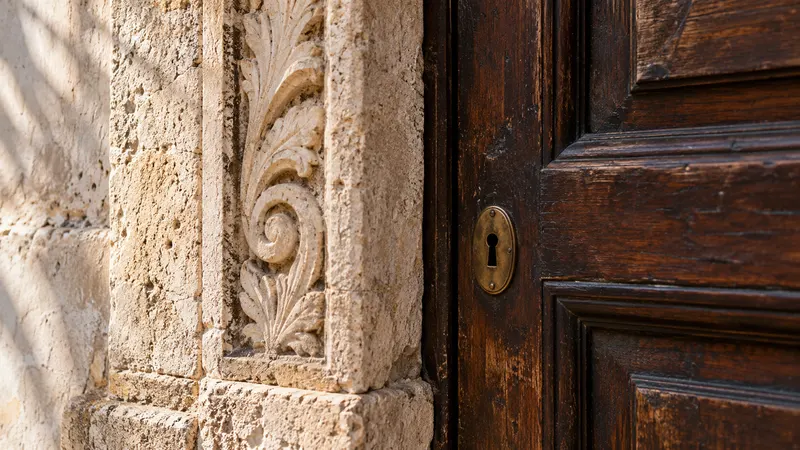
When a general visit is appropriate, observe the relationship between the entrance, central space and side areas. Notice changing light and where your eye is drawn. You can describe columns, arches and proportions without inventing dates for individual elements or assigning all decoration to the sixteenth century.
Look for interpretation that distinguishes construction, replacement and restoration. Later interventions also belong to the building’s history. To compare exterior and interior, record one feature of each, then consult a more detailed source afterwards.
Treat photography as a separate question
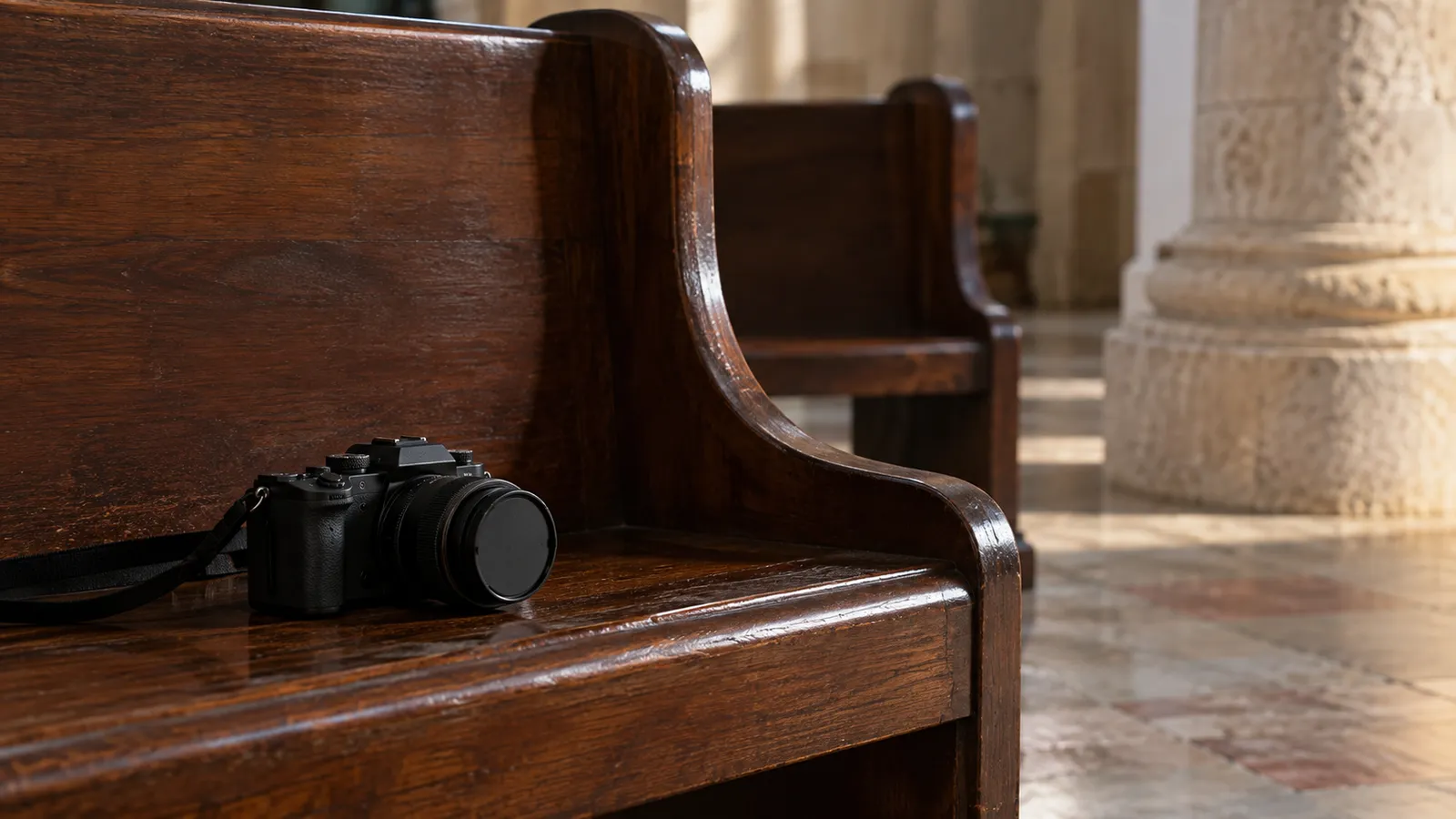
Check whether it is permitted, in which areas and with which restrictions. Avoid close photographs of people praying, and do not turn a circulation route into a photo-session setting. If an image requires moving someone, interrupting them or crossing a barrier, it can wait.
Outside, Casa Montejo offers another example of how architecture communicates authority across the square.