You do not need to walk the entire avenue to look more closely at Paseo de Montejo. Choose a short stretch, two façades and one monument. Compare what is visible and separate those observations from claims that still need a source. This turns a walk into something more than a sequence of photographs of large houses.
Use a documented building as a reference. INAH identifies Palacio Cantón as completed in 1911. That date belongs to this building. It cannot date neighbouring properties simply because they look broadly contemporary.
Start with the relationship to the street
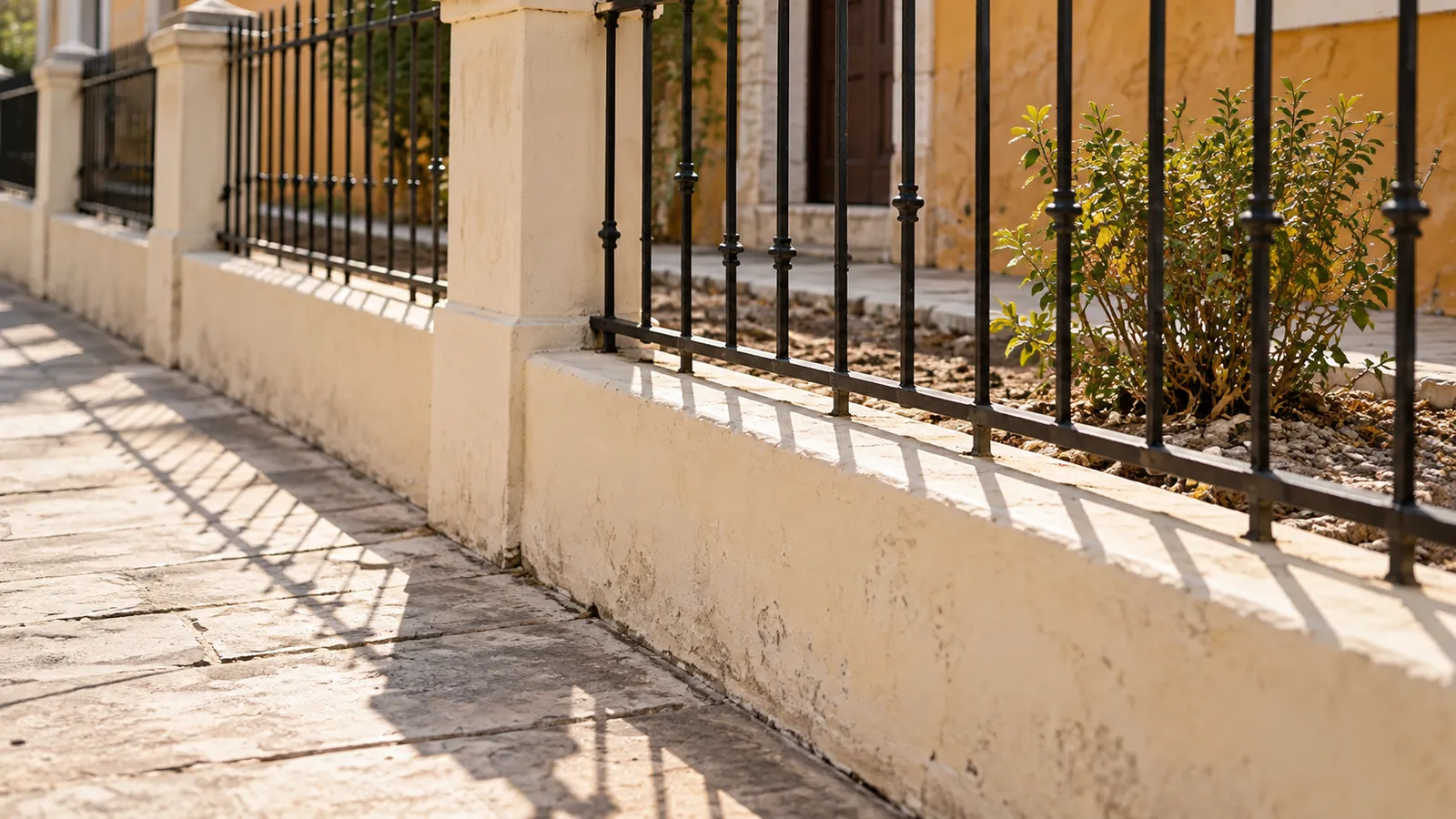
Notice whether a façade meets the pavement or sits behind a garden, fence or approach. How does that distance change your perception of the house? Can you see it as a whole? Is the entrance announced from far away? Is pedestrian movement separated from vehicle access?
Describe individual cases rather than treating these arrangements as a feature of all Mérida. Recent alterations, commercial use or a changed entrance may modify the original relationship with the street. A documented historical photograph can help with comparison later, but intuition alone cannot reconstruct the past.
Compare proportions before naming styles
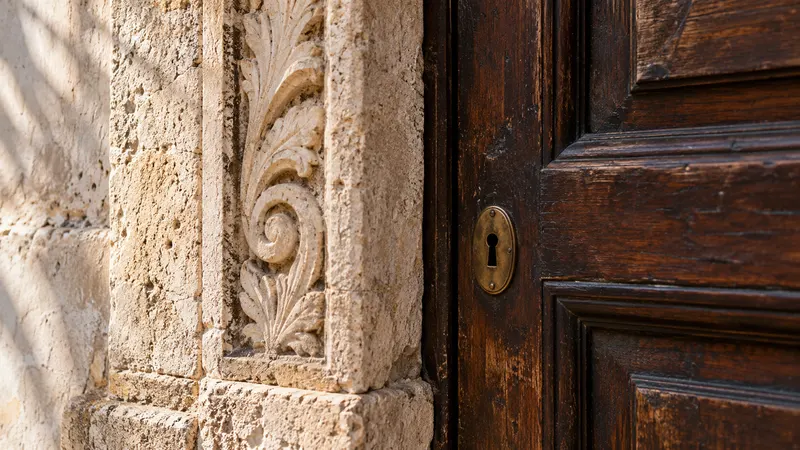
Choose two buildings and look at floor heights, window sizes, symmetry and the treatment of the roofline. You can describe a balcony, arch or cornice without assigning an architectural style you have not checked.
If a plaque or institutional publication names a style, keep the reference. Avoid using colonial as a synonym for old. Also distinguish construction from later façade alterations: a house may have several visible phases and others that cannot be recognised from outside.
Sketching a rough rectangle and marking the openings can make differences clearer than another wide-angle photograph. The drawing does not need to be attractive. Its purpose is to slow your observation and make you notice the spacing between elements.
Monuments tell a different kind of story
INAH documents monuments to Felipe Carrillo Puerto and Justo Sierra O’Reilly on the avenue. At a monument, look for the person commemorated, its maker and the installation date when those details are supplied. A person’s life and the later act of commemoration are different histories.
Read inscriptions without climbing pedestals or entering traffic for a photograph. Ask which version of the past is emphasised and what remains outside the account. Critical reading does not require accepting an inscription as a complete history or turning every walk into an argument.
Take away a small, useful record
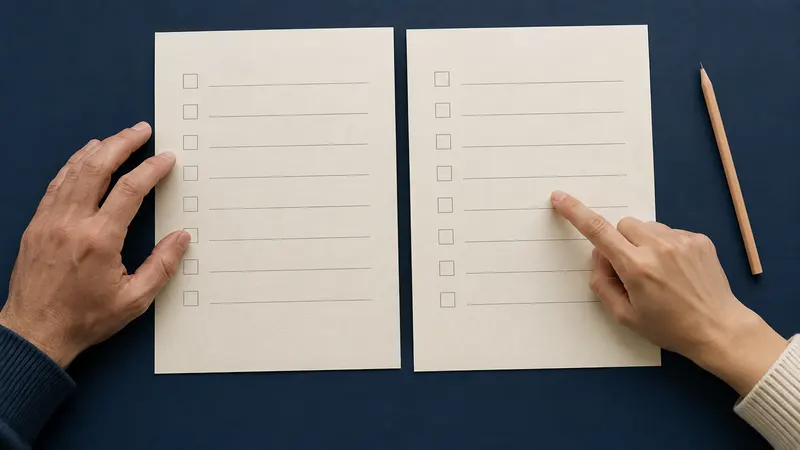
At each stop, note one visible detail, one question and one source to find. For example: an added window, the date of the alteration and an archival photograph to locate. This is more useful than a broad label applied to the entire avenue.
Remain in public areas and confirm interior access separately. An open business entrance does not authorise wandering elsewhere in the property. Explore the reference building inside through our Palacio Cantón guide, or widen the economic context with reading henequen hacienda history.