A craft object can catch your attention before you know how it was made. Yucatán’s Museo de Arte Popular offers a way to turn that attraction into more precise questions: what material was used, what work did it require, who made it and for which setting? These questions also help when visiting a shop or workshop later.
The Cultural Information System entry places the museum in Casa Molina in La Mejorada and describes work from Yucatán and other parts of Mexico. Being displayed in Mérida does not make every object Yucatecan.
Start with one family of materials
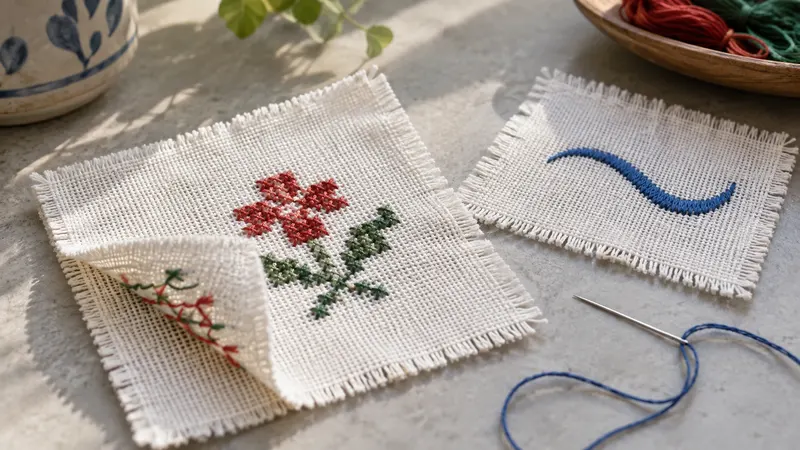
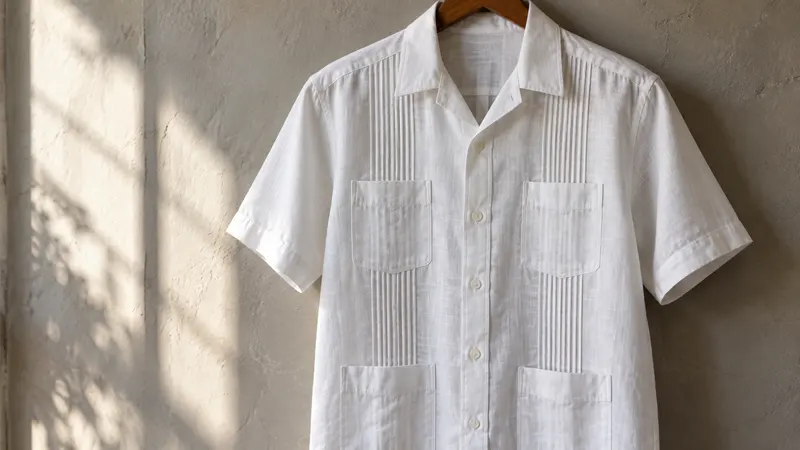
Choose textiles, fibres, clay or another category represented in the display. Notice how a material changes through folding, interlacing, modelling or firing, where the labels document those processes. You do not need to know every technical term. Record one unfamiliar word and connect it to something visible.
A regular surface alone does not establish industrial manufacture. The institutional record on embroidered hipiles also describes skilled hand-guided machine work. This is a reason to ask about a particular process rather than quickly dividing objects into handmade and lacking craft value.
Look for a person and a place
Read whether the label identifies an individual maker, workshop, community or collection. These are different kinds of information. A community of origin does not replace a known maker’s name; a collection identifies custody rather than necessarily authorship.
If attribution is missing, resist filling it with a guess. Ask whether a more detailed catalogue exists. Copy names carefully in your notes. This makes it possible to recommend or research a specific body of work rather than treating an entire region’s production as anonymous.
You might compare two objects by the same named maker, if the display allows it. Look for decisions that differ between them rather than assuming every repeated motif must be a fixed rule.
Separate use, display and sale
An object made for a celebration, household use or collecting may call for different questions. Find the context the museum documents. An appealing design does not justify inventing a spiritual meaning or assuming each motif has a single translation.
An exhibition is not a catalogue of things you can necessarily buy afterwards. If a related object interests you, ask which features to look for and which production references are documented. Do not expect a maker to reproduce a museum piece exactly or share knowledge they prefer to keep private.
Turn observation into a useful decision
Before purchasing anything, decide whether you want to use, give or display it. That choice changes your questions about size, durability, cleaning and storage. Ask about the materials and care of the specific piece rather than transferring instructions from another object.
For the museum visit, confirm open areas and the access you need. The institutional record describes upstairs galleries but does not by itself establish a current step-free route. Afterwards, go deeper with our guides to asking about embroidery and choosing a hammock.