If an embroidered piece catches your eye, begin by asking how it was made. Price, regular stitches and the word artisanal do not independently explain a process. A clear conversation about technique, makers and materials helps you appreciate the work and decide whether it suits the use you have in mind.
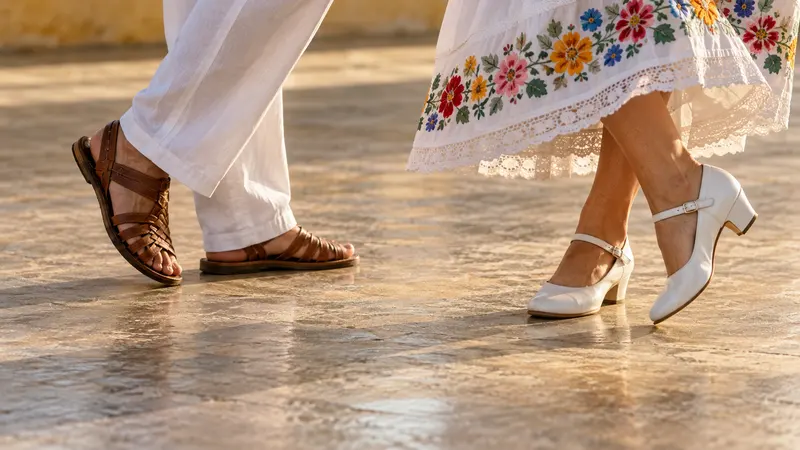
The Cultural Information System record on embroidered hipiles describes both hand embroidery and skilled hand-guided machine work. Machine should not be treated as a synonym for an absence of craft, and no quick visual test can be promised as a reliable certificate of authenticity.
Ask about the particular process
Start with three questions: which technique was used, who embroidered it and where was the garment assembled? Fabric, sewing and embroidery may follow different production paths. More than one person or workshop contributing adds context rather than automatically reducing value.
Ask whether the seller can point out a feature of the technique, if they have time and wish to do so. Do not demand a free demonstration or turn the exchange into a test. A short explanation and a maker’s name you can remember are often more useful than a broad label.
Examine it without causing damage
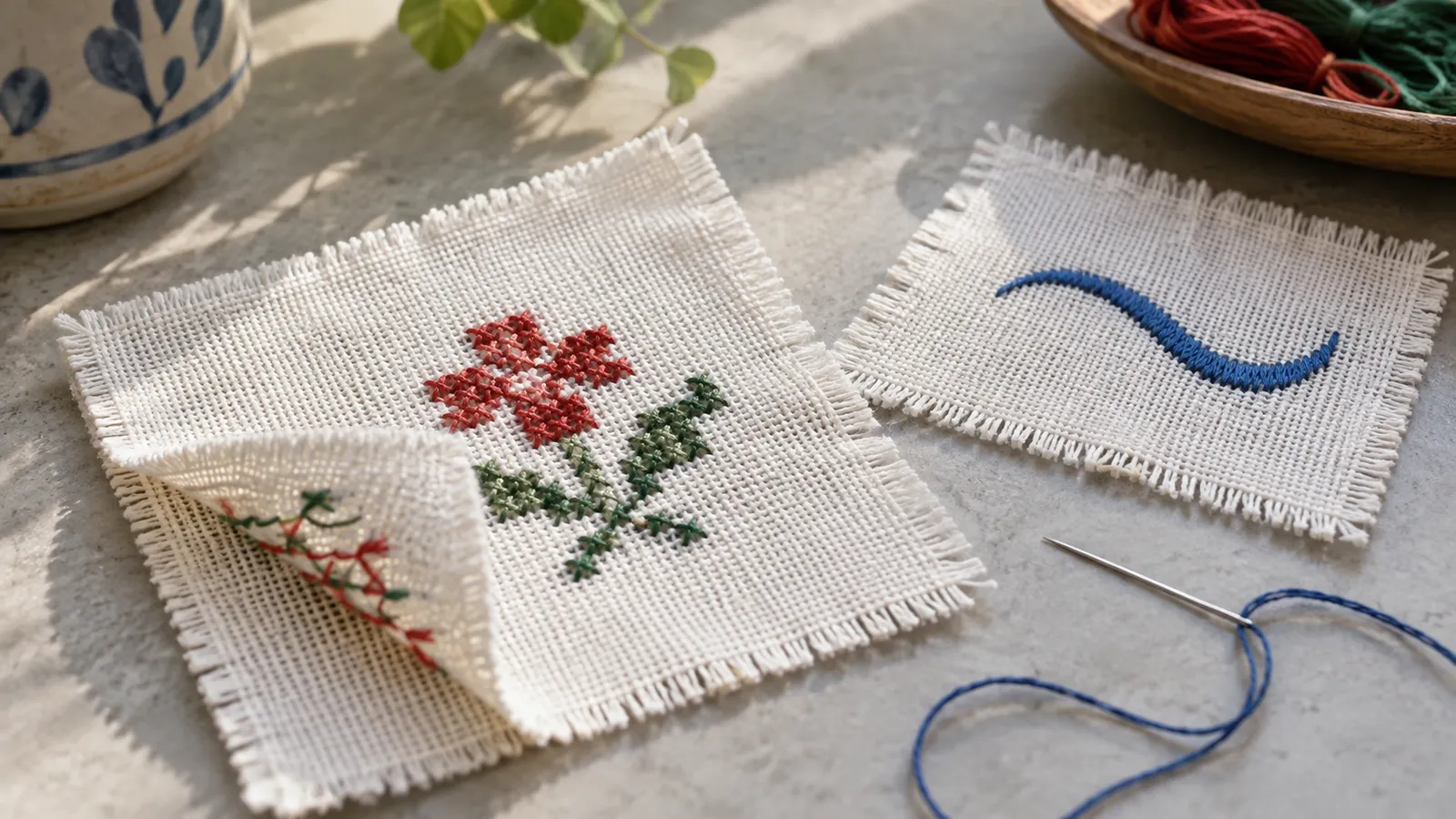
Request permission to see the reverse and handle the piece with clean hands. Look at finishing, joins, tension and the comfort of areas that will touch your skin. Do not pull threads to test strength or stretch delicate fabric without guidance.
A small irregularity does not independently prove handwork; very even execution does not prove the opposite. Ask about what you notice. If a thread is loose, establish whether it is part of the finish or needs attention before taking the item away.
Look at the complete garment as well as the decorative section. Embroidery that appeals to you still needs to work with the cut, fabric and purpose of the piece you are choosing.
Choose according to intended use
For clothing, check actual measurements, freedom of movement and transparency with the layers you would wear underneath. For a gift, bring measurements or a reference garment with the recipient’s agreement, and confirm exchange conditions. A size label alone may not resolve differences in cut.
For a collected textile, ask how to store it and protect it from moisture, light and prolonged folding. Request specific washing, drying and ironing instructions. Do not assume the base fabric and coloured threads respond in the same way to water or heat.
Keep the maker’s information with the purchase
If the workshop supplies attribution, retain it with the receipt or a note. Use the correct name when recommending the work, and avoid inventing meanings for designs. Ask separately about publishing photographs of the embroidery or its maker.
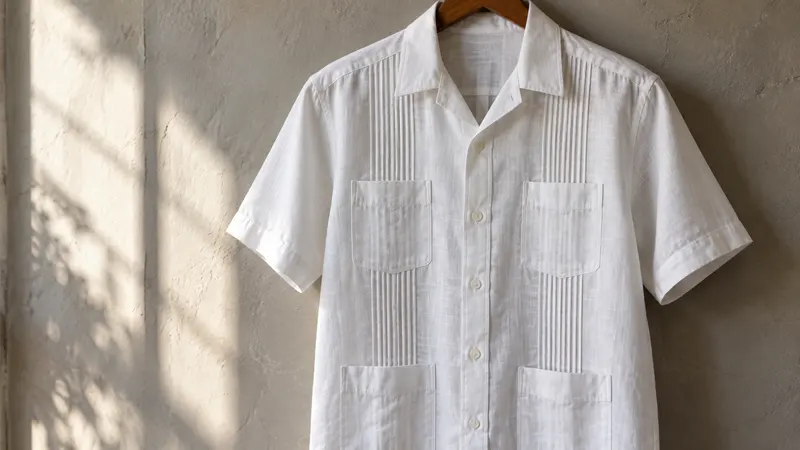
A visit to the Museo de Arte Popular can expand your vocabulary and awareness of processes. For another regionally produced garment, our guayabera guide focuses on construction and fit without ranking shops by reputation or price.