Choosing a guayabera becomes easier when you separate four decisions: how you will use it, your preferred fabric, its fit and what you know about its construction. A shirt that looks appealing on a hanger may not allow the movement you need when sitting or raising your arms. Check those points before choosing a colour.
The municipality of Tekit identifies the town with guayabera production. That connection provides a reason to seek out workshops and ask about their work. It does not independently guarantee the origin, material or quality of every garment sold using Tekit’s name.
Establish the occasion without assuming a uniform
For a celebration, ask the organiser about the dress code. Different events may call for different colours, sleeve lengths or levels of formality. For everyday wear, consider your washing and ironing routine and how you move around, as well as appearance.
A gift requires measurements or a reliable reference for size and cut. Ask about exchanges and what changes if the shirt is altered or made to order. Terms should be clear before you authorise modifications.
If the purchase is for a particular date, distinguish a finished garment from a commission. Agree on the work and fitting arrangements rather than assuming an alteration will be possible immediately.
Ask for the fabric composition
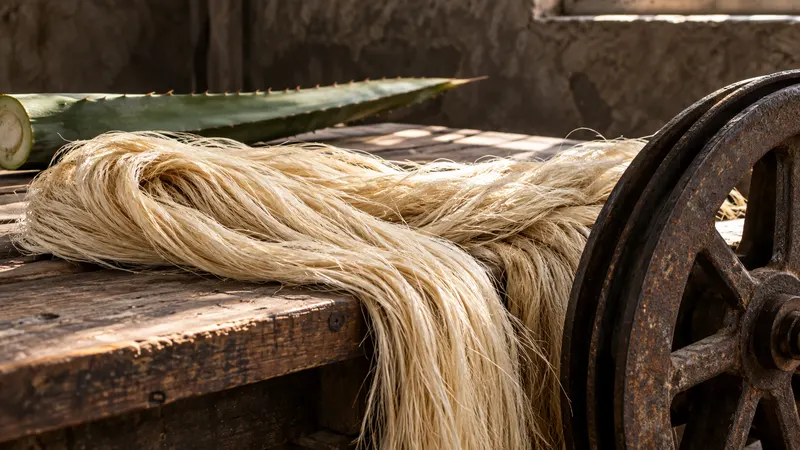
Do not infer linen, cotton or a blend from price or a cool feeling against your hand. Look for a label and confirm the composition with the workshop. Ask about shrinkage, transparency, washing and ironing for the specific model. Embroidered garments may require attention to both fabric and thread.
When trying it on, examine the fabric in ordinary light and with the layers you would wear underneath. Decide which degree of transparency is comfortable for you. You do not need to accept a broad claim that all guayaberas must look or feel one particular way.
Examine the construction
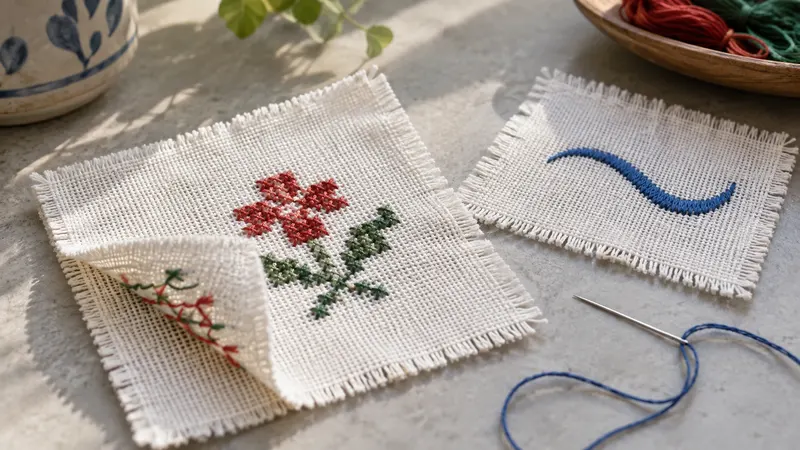
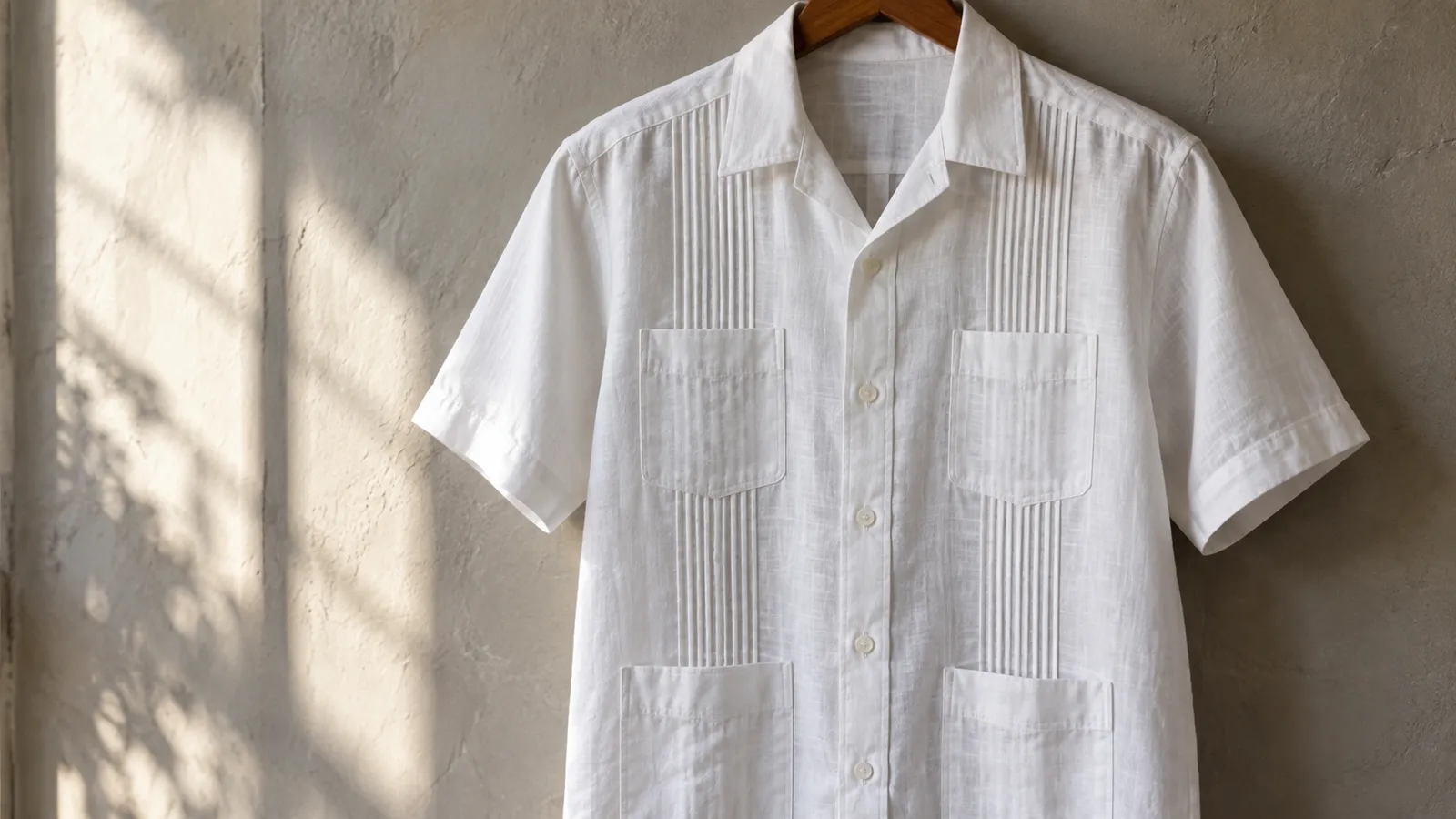
Where the design includes narrow stitched pleats, known as alforzas, look at their continuity, seams and relationship with pockets and buttons. Ask which stages were completed in the workshop. If embroidery is present, ask who made it and which technique was used.
More decorative detail does not automatically make a shirt better suited to you. Look for finishing that matches the intended use and the care you can provide. If an area seems crooked or under tension, ask whether that comes from the design, the fit or a defect that should be addressed.
Try everyday movements
Button the shirt, sit down and move your arms without forcing the garment. Check shoulders, chest, collar and sleeve length. If an alteration is needed, ask how it will affect pleats, pockets and proportions, not only how many centimetres will be removed.
Keep the workshop’s details and care instructions. They make a later adjustment or repeat purchase easier. For decorative work, continue with questions about embroidery. For a broader understanding of materials and makers, explore the Museo de Arte Popular.