Palacio Cantón offers two visits at once: an exhibition and the building that contains it. Keeping them mentally separate avoids an easy misunderstanding. A gallery of ancient objects sits inside a house from another period, later adapted to accommodate collections and visitors.
INAH dates the building’s completion to 1911 and the beginning of its museum history to 1959. Those dates provide a useful framework. You do not need to memorise every use of the property to recognise that a residence, a public building and a museum serve different needs.
Start with entrances and circulation
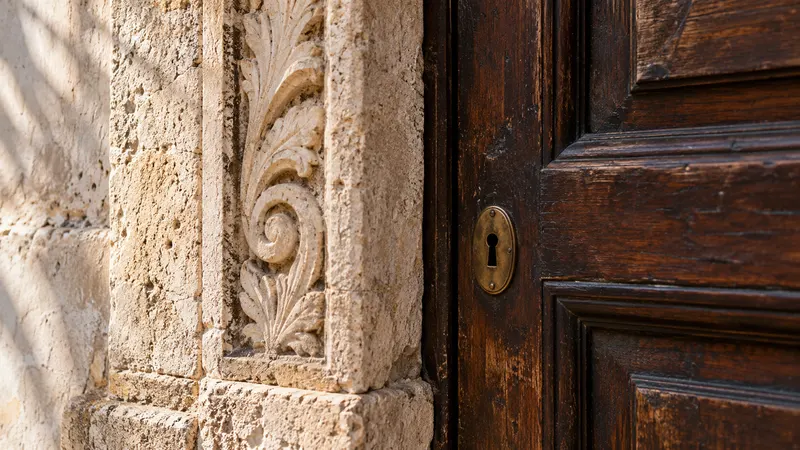
From the permitted visitor areas, observe the relationship between entrance, staircase and rooms. Which spaces appear designed for receiving people, and which for moving between them? A closed door alone cannot identify a former private room. Look for a plan, label or staff explanation before assigning a purpose.
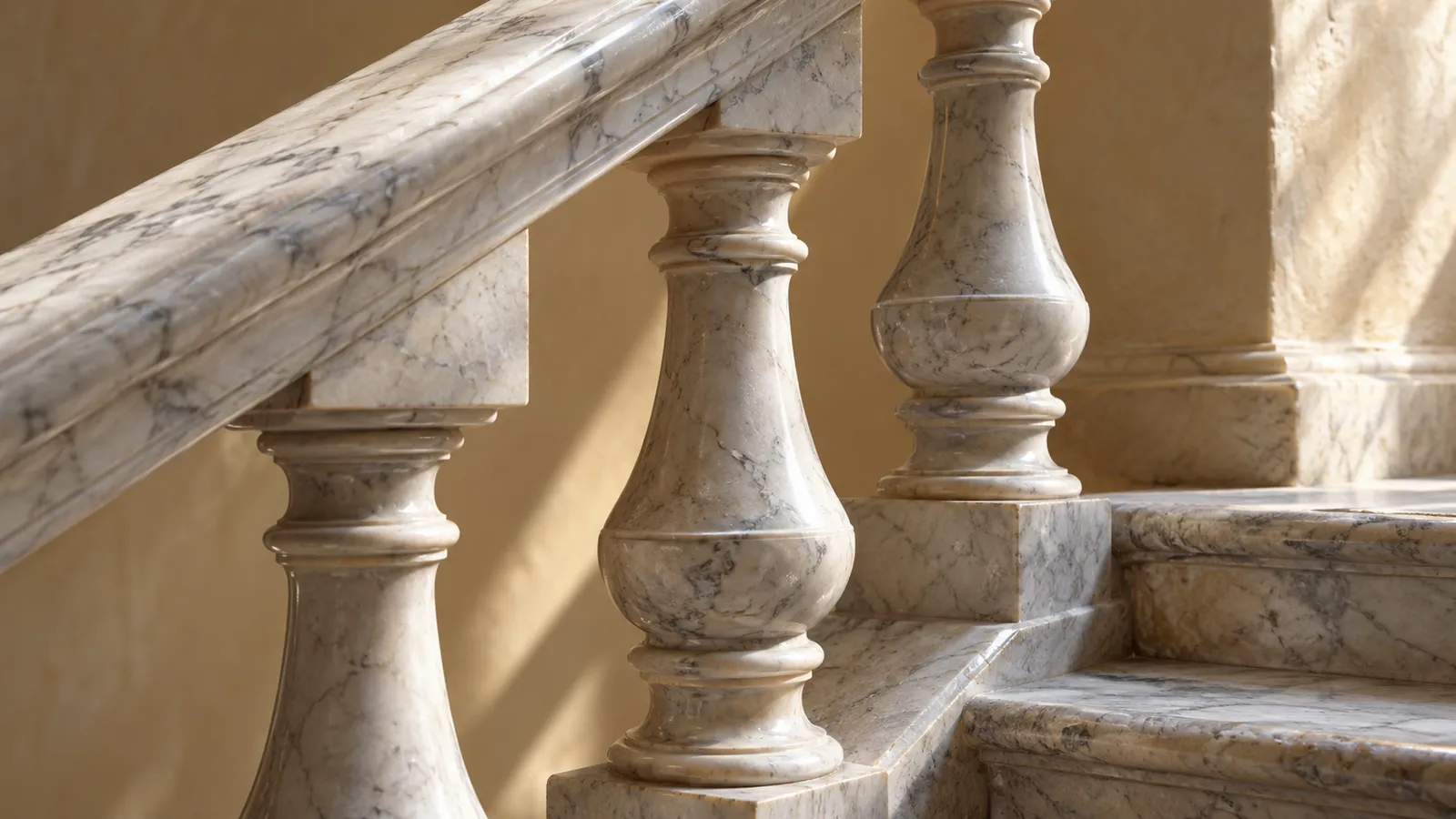
The staircase may attract most photographic attention. Keep the route clear and also notice changes in flooring, the height of openings and connections between levels. An ornamental detail becomes more meaningful when related to the surrounding space rather than isolated from it.
Try describing what you actually see before reaching for a style label. A wide opening, a change in floor material or a carefully framed view is an observation. Calling a room a ballroom without evidence is a different kind of claim.
Ask how a house became an institution
INAH’s account of the palace’s history distinguishes the residence, public uses and formation of collections. This framework supports a useful question even when displays change: what had to be adapted so a house could function as a museum?
Look for information about lighting, conservation and visitor routes. A present-day installation is not necessarily part of the original home. Equally, an old feature still visible may no longer serve its first purpose. The museum states, for example, that its historic lift is not available for public use.
Give the exhibition its own attention
After examining the building, choose a gallery for its subject. Read the introductory panel to understand its argument and the origins of the objects. Do not assume everything displayed once belonged to the house or that every item comes from Yucatán.
If your companion is more interested in architecture, agree on a short shared circuit and some time for individual interests. Neither of you needs to read every panel. Comparing one architectural detail and one exhibition object afterwards can make a better conversation than trying to absorb everything together.
Confirm the route you need
Before visiting, ask which areas are open, how visitors move between floors and whether a guided visit is available. If you use a wheelchair or need to avoid stairs, describe that requirement specifically. The presence of a historic lift does not establish access to every gallery.
Continue outside with our guide to reading Paseo de Montejo’s architecture. If an object caught your attention, read its label and record its provenance before researching further.