Start with your exact address when organising waste collection. A friend’s schedule nearby may not apply to your street, and seeing a truck pass does not establish that it collects from your door.
Mérida’s municipal collection page identifies collection companies and reporting channels. Use it to find the responsible service and confirm current arrangements. Some published route tables retain older dates.
Establish the handover point
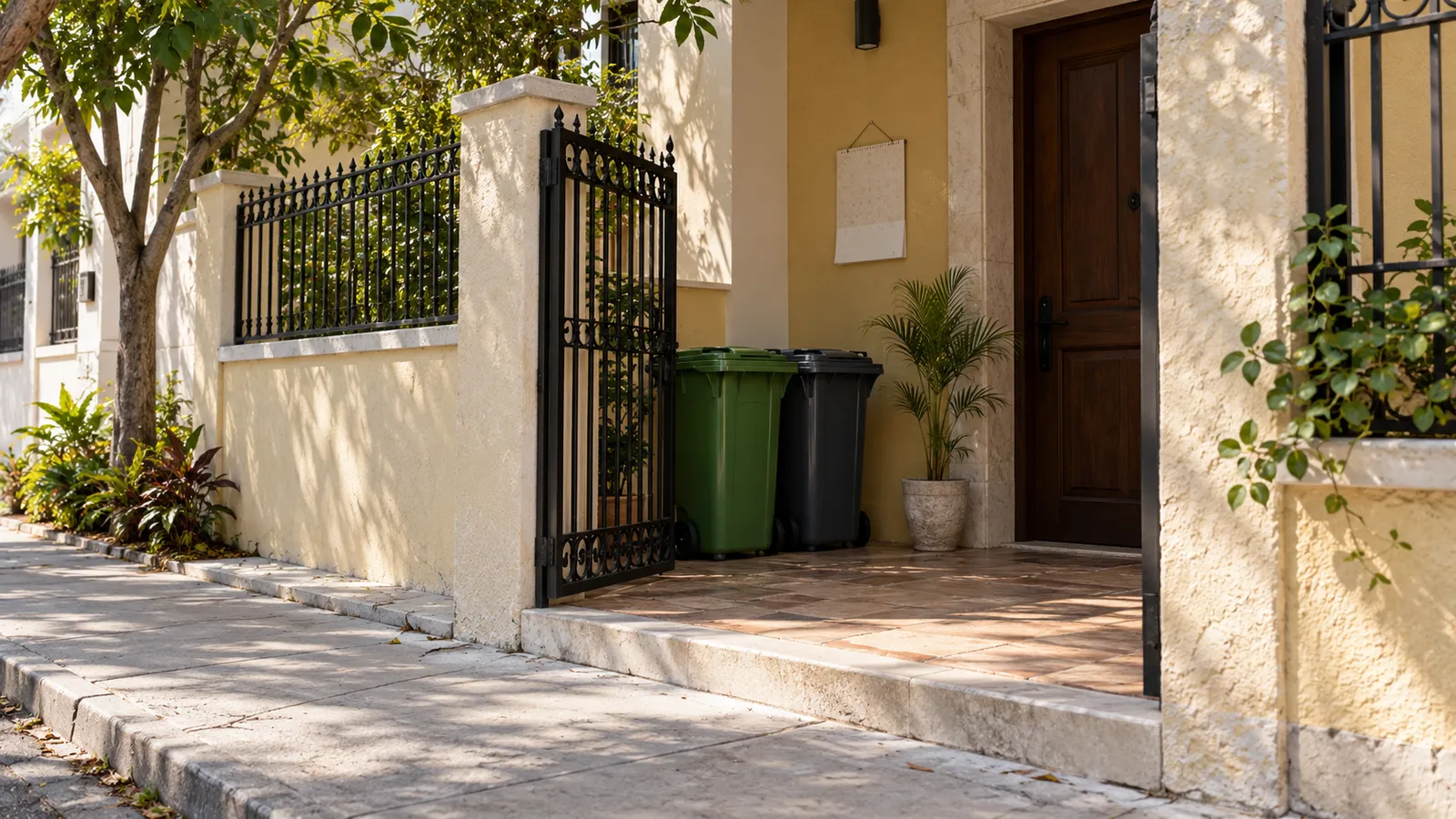
For a standalone house, ask where the collector expects the waste and when it should be put out. A building or gated development may have a shared collection point and access rules. Find out who moves the bins and what happens if the gate is locked.
Check the types and quantities accepted by the ordinary service. Moving home produces boxes, packaging and large objects that may need a different collection. Do not use the pavement as storage while working out where they can go.
Know who manages the account
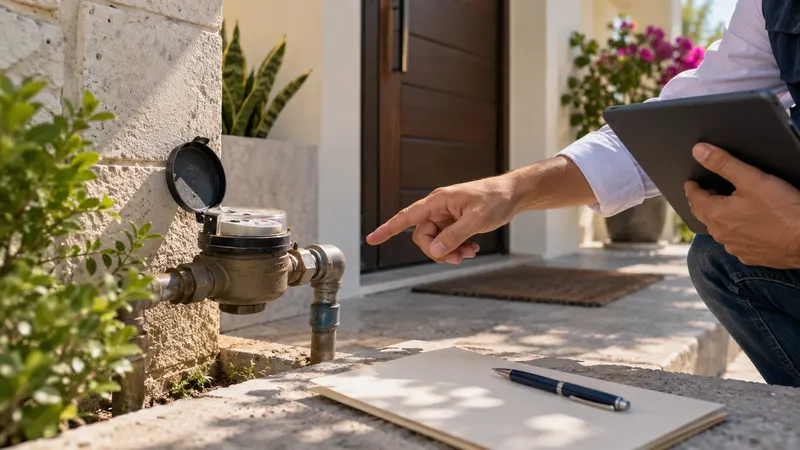
If you rent, ask whether collection is included and request evidence of the period already paid. If payment is your responsibility, confirm the customer number or property reference and the company’s authorised payment channels. Keep the receipts, even for a relatively small expense.
Put five details somewhere everyone at home can find them:
- The company or person responsible for collection
- Confirmed collection days and time window
- Where and how waste should be left
- The person responsible for payment
- The channel for notices or missed collections
If someone helps with cleaning, share the arrangement with them. A routine known only to the person paying the bill can unravel when they go away.
Prepare waste for the people collecting it
Use containers you can close and clean, and avoid leaking liquids. Follow the service’s instructions on separation and presentation. Keep pavements, neighbouring entrances and ramps clear, and return the bins after collection.
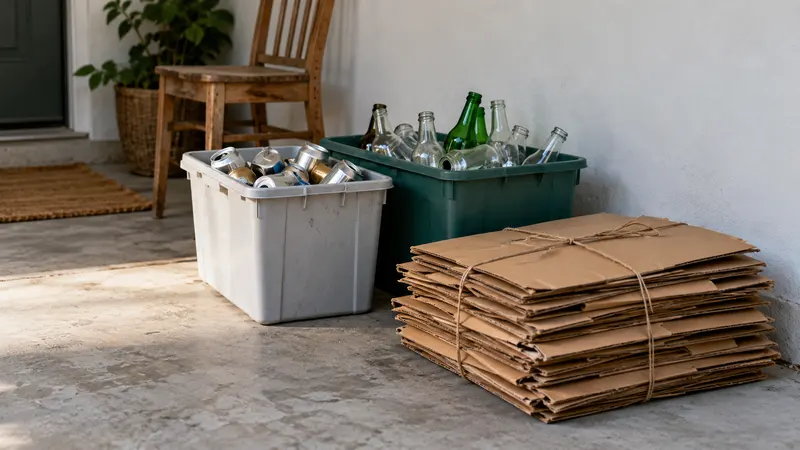
For recyclables and objects outside your ordinary household bag, see our guide to recycling and bulky waste. Different materials need different destinations; special waste should not simply disappear into a mixed rubbish bag.
Make a missed-pickup report useful
Check for a service notice and confirm that you followed the agreed place, timing and presentation. Then report the incident to the service. Have the full address, date, description of what was left and customer reference ready. A photograph can help, provided it does not expose private documents or other people.
The municipal page also identifies Ayuntatel as a reporting route. Save the reference and outcome, especially for repeated incidents. Keep waste contained while the problem is resolved and ask about an authorised alternative. Leaving it on another plot merely moves the problem elsewhere.