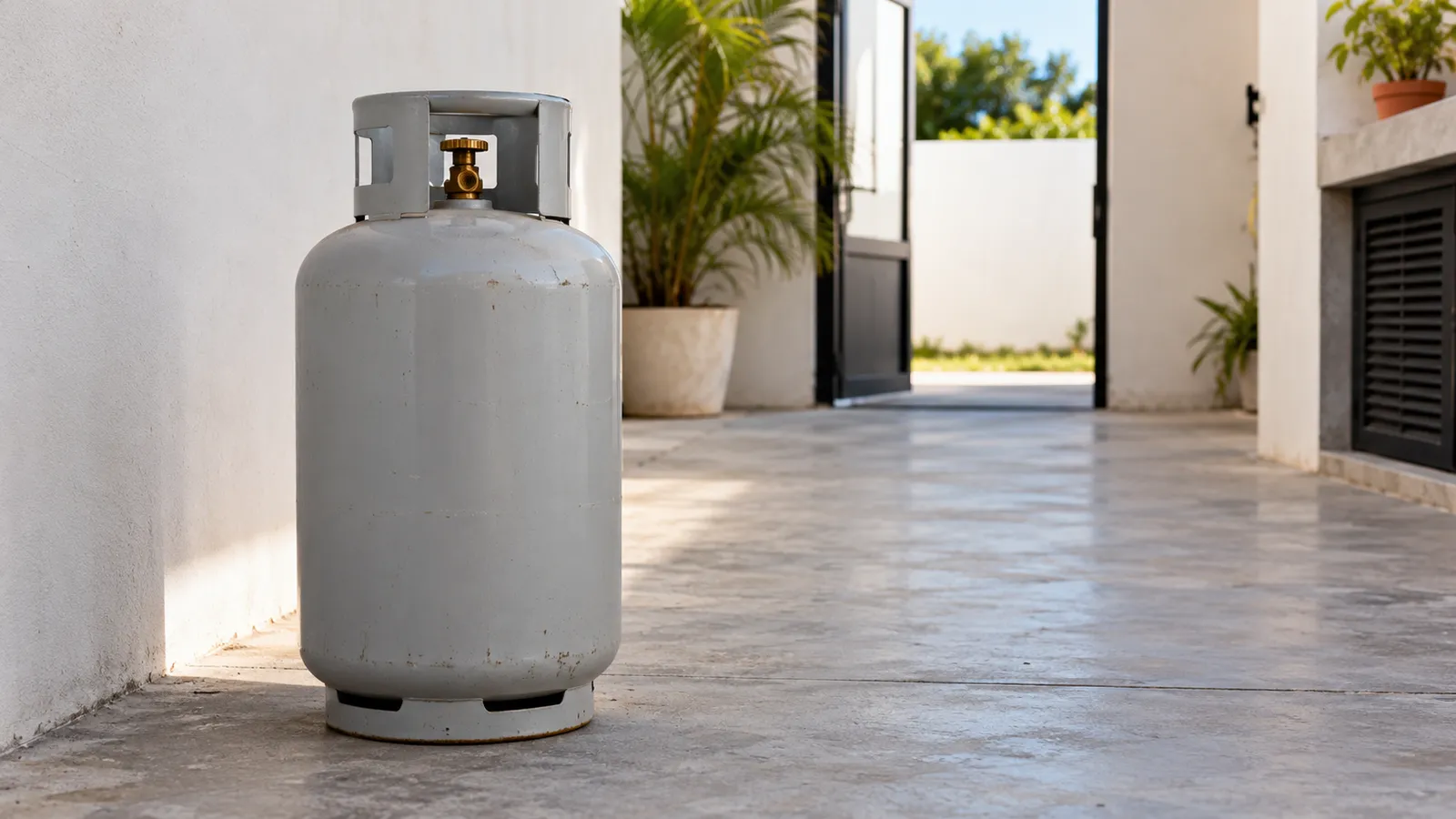
Before ordering gas, establish what the property uses. A fixed tank, exchangeable cylinder and shared installation need different arrangements. A listing that says equipped kitchen may not explain how fuel is replenished or who maintains the system.
In a rental, ask the owner or a competent technician to identify the gas appliances, usual supplier and person authorised to approve repairs. Keep that information without trying to learn how to modify connections yourself.
Clarify access and the order
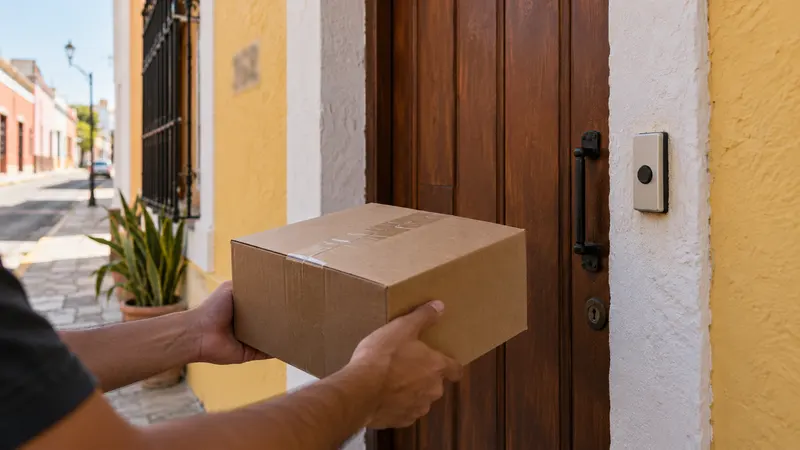
Confirm the type of service with an established supplier. Describe the actual entrance, building restrictions and who will receive the delivery. Do not agree to unsafe roof access to make the job possible.
Ask for the applicable price, unit of sale, expected total and additional charges before confirming. For a fixed tank, establish how the delivered quantity will be recorded. For an exchange, clarify which cylinder the supplier takes and provides. Keep the receipt.
If several homes share the installation, ask the administration how ordering and cost allocation work. Avoid arranging an individual delivery that conflicts with the shared procedure.
Do not improvise cylinder filling
CENAPRED warns against picteleo, filling portable cylinders from delivery tankers or distribution vehicles. It also warns against carrying cylinders in a car boot. Convenience does not make those practices appropriate.
Ask a specialist to assess deteriorated equipment or an installation with an unknown history. Decline a visibly damaged cylinder and consult the supplier. Never use a flame to look for a leak or attempt repairs to valves, hoses or regulators.
Recognise when it is an emergency
If you smell gas, stop treating the situation as a supply enquiry. Official prevention guidance advises avoiding switches and ignition sources, leaving the area and requesting help. Move to a safe place and call 911 from there. Do not remain to investigate or return until competent personnel say it is safe.
Mérida’s municipal information identifies 911 for emergencies. The owner will also need to know, but contacting them should not delay emergency help when there is danger.
Leave a usable household record
- Confirmed supply type and supplier
- Who can order and receive deliveries
- The owner’s authorised maintenance contact
- Where appliance information is kept
- The last inspection and technician’s observations
Before leaving the home for several days, obtain instructions for leaving this particular system safely. Do not guess which controls should be turned off or closed.