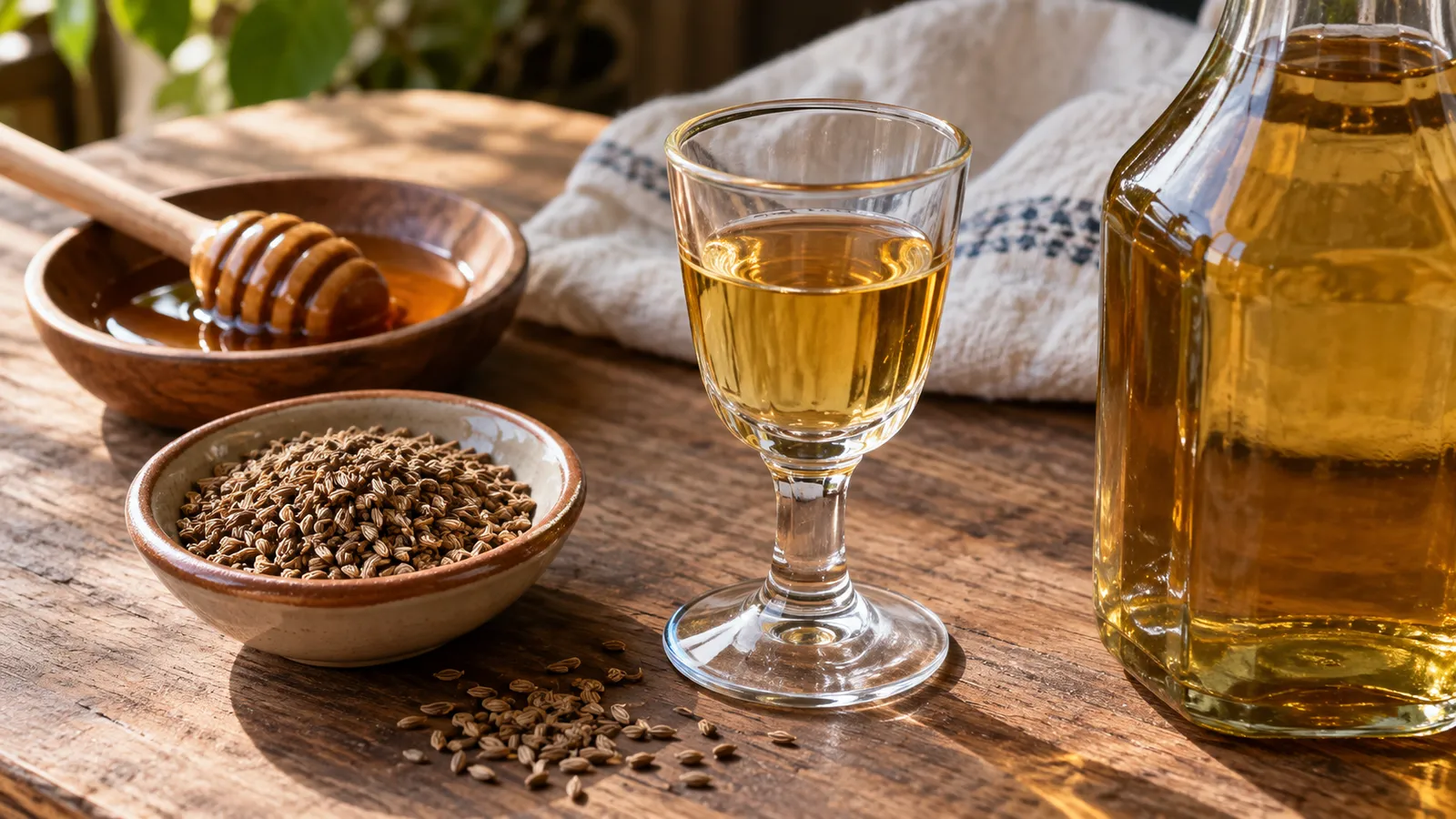
Xtabentún is an option for adults interested in a regional liqueur. Before ordering a glass or buying a bottle, identify the particular product on offer. A shared name does not mean every maker uses the same alcohol content, ingredient proportions or presentation.
SEFOTUR’s culinary guide connects xtabentún with honey and anise among Yucatán’s drinks. That gives you ingredient context; the label and producer’s information describe the bottle in front of you. You do not need to attribute medicinal effects to appreciate how a drink is made.
Read the bottle first
Find the producer’s name, bottle capacity and stated alcohol content. Two bottles that look similar in size may hold different volumes or strengths. For a gift, also ask about packaging and the producer’s instructions once the bottle has been opened.
If a particular type of honey or place of origin matters to you, ask the maker for specific information. Broad words such as “Maya”, “ancestral” or “artisanal” do not replace a product explanation. You can appreciate a tradition without accepting every marketing story as demonstrated history.
Separate a liqueur order from a cocktail
A glass of xtabentún and a cocktail containing it are different orders. Ask about the measure, other ingredients and total price. If you want to understand the product itself, a simple serving allows you to notice it without several other components competing for attention.
There is no need to order a large glass or finish a tasting to show interest. If you do not drink alcohol, say so at the start and choose something else. Leave that decision to each person at a shared table rather than ordering an alcoholic round automatically.
Buying for another occasion
Choose a sealed bottle with legible information and keep the receipt. Before leaving, check the closure, look for leaks and make sure it is the product you requested. With a budget in mind, compare capacity and product rather than deciding only by the decorative appeal of the container.
If flying or crossing a border, check current baggage and destination rules before purchasing. A gift bottle is still alcohol, and a shop cannot itself guarantee its admission to another country. Keep travel requirements separate from the seller’s description of the drink.
Give a tasting a clear purpose
You might focus on the honey or anise notes you perceive and how the serving style affects your impression. Record the producer and presentation if you would like to find it again. A personal preference is more useful than a universal ranking of brands you have not tasted.
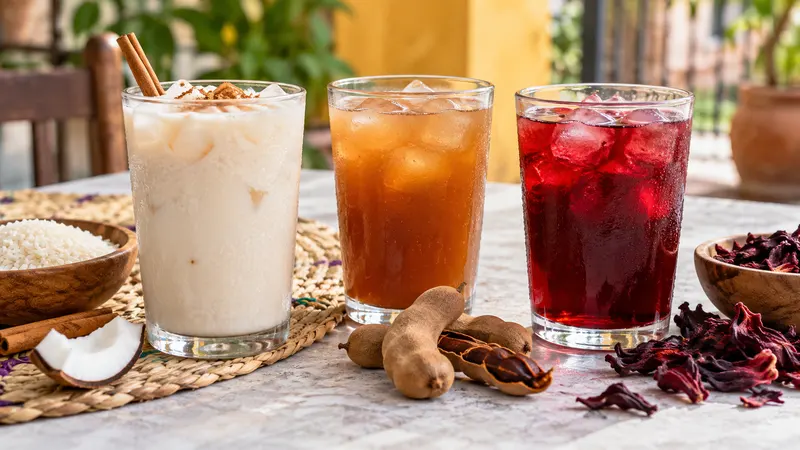
Arrange a return journey without driving if you are drinking. Our guide to regional sweets helps choose a dessert format for the table. For a non-alcoholic alternative, read about aguas frescas and horchata and confirm the ingredients with the person preparing them.