Begin a vegetarian food order in Yucatán by explaining what you eat and what you avoid. A broad label can be interpreted in different ways; a specific sentence lets the kitchen answer about the actual dish. Say whether you eat eggs and dairy. For a vegan meal, include those among the ingredients you need to exclude.
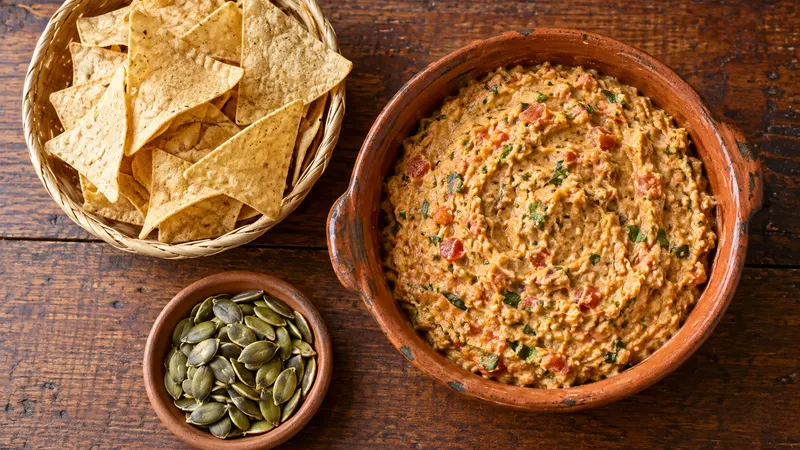
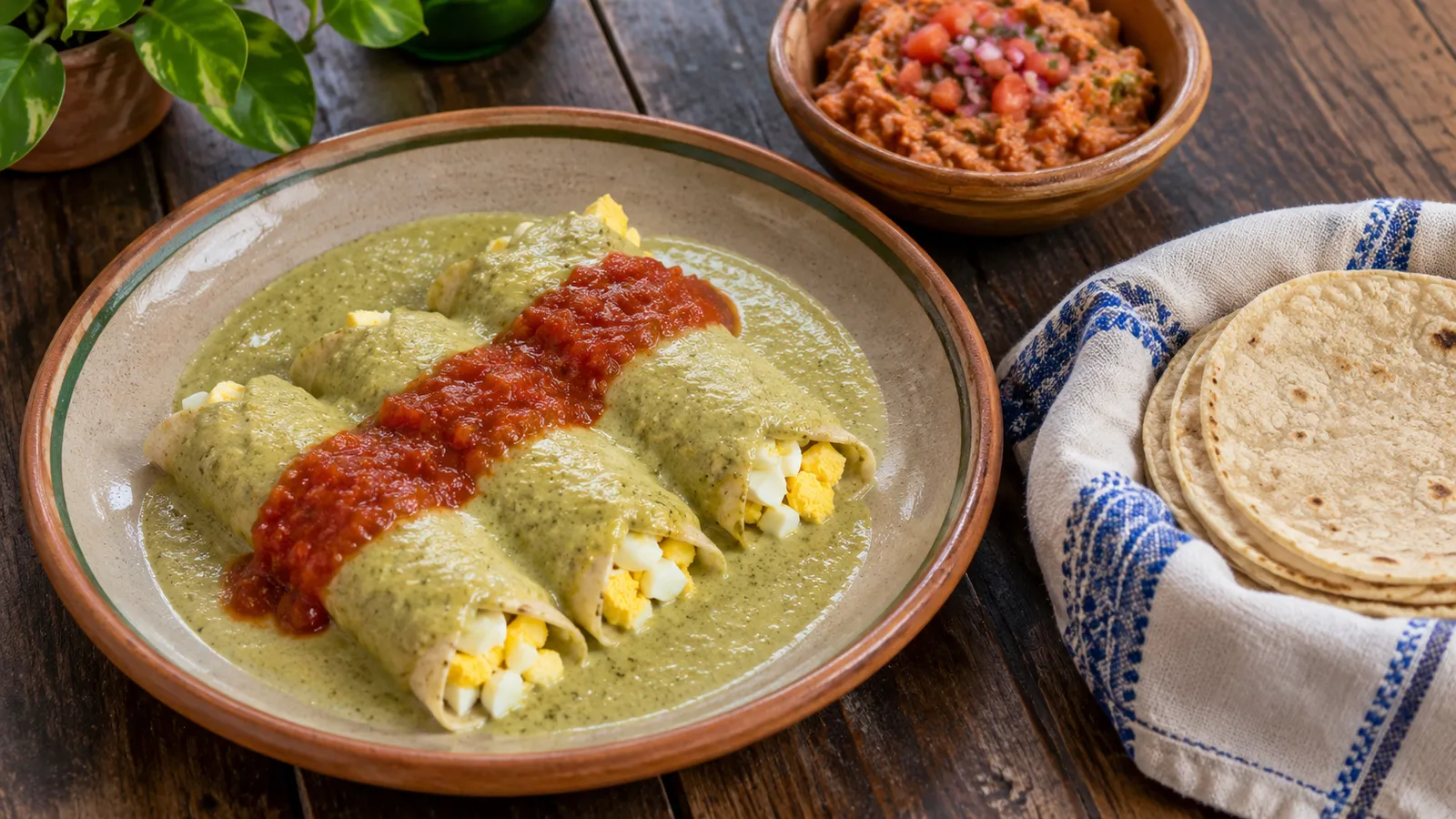
Some dishes provide useful starting points for questions. SEFOTUR’s papadzules contain egg, while sikil pak has a pumpkin-seed and tomato base. A general description does not certify an individual business’s recipe.
Explain your diet in one clear sentence
For a vegetarian meal including eggs and dairy, you can say: “No como carne, pollo, pescado ni mariscos; sí como huevo y lácteos”. It means you do not eat meat, chicken, fish or seafood but do eat eggs and dairy. For vegan food, add that you also avoid eggs, dairy and other animal ingredients, specifying anything relevant to the preparation.
Do not call a preference an allergy to get attention. If you have a genuine allergy, explain it separately and name the ingredient. Its preparation requirements may differ from those of a dietary choice.
Look at the less visible components
The visible filling is only one part of a dish. Ask about fat used in masa or beans, stock used for rice or sauces, and ingredients already mixed in. “¿Lleva manteca de cerdo o caldo de pollo?” asks specifically about pork lard and chicken stock, which a question about vegetables may leave unresolved.
If those ingredients are already present, ask for another option rather than requesting that meat pieces be removed at the end. A kitchen may find it easier to suggest a different base it genuinely prepares separately.
Read the full variation
A familiar name does not fix the filling. SEFOTUR’s polcanes description includes ibes and pumpkin-seed possibilities as well as poc chuc. Reading only the word polcán could cause you to miss the line that changes the order.
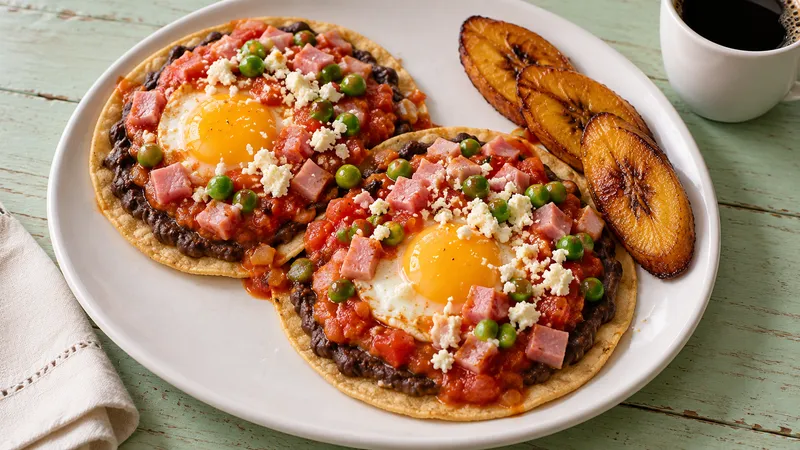
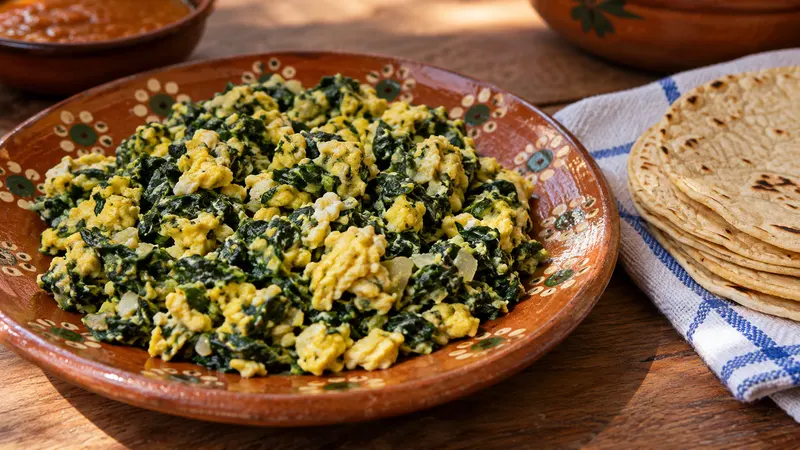
A dish with cheese or egg at its centre poses a similar issue. Removing one garnish does not necessarily create a complete adaptation. Ask what the kitchen can offer using its available ingredients rather than expecting a transformation it cannot realistically make.
Build a meal you want to eat
Once suitable options have been identified, decide whether the portion works as a main meal or a snack. Combining confirmed preparations may be more satisfying than receiving a plate from which almost everything has been removed. If sharing, agree which dishes suit both diners.
Record the dish name and ingredients the kitchen confirmed, but explain your requirements again when the cook or recipe changes. For a snack-table base, read about sikil pak and pepita. If your concern is medical, use the allergy guide for communication support while keeping the two situations distinct.