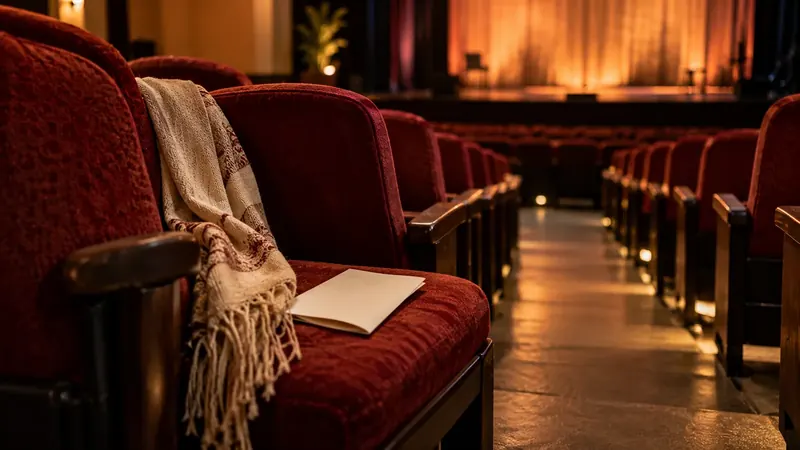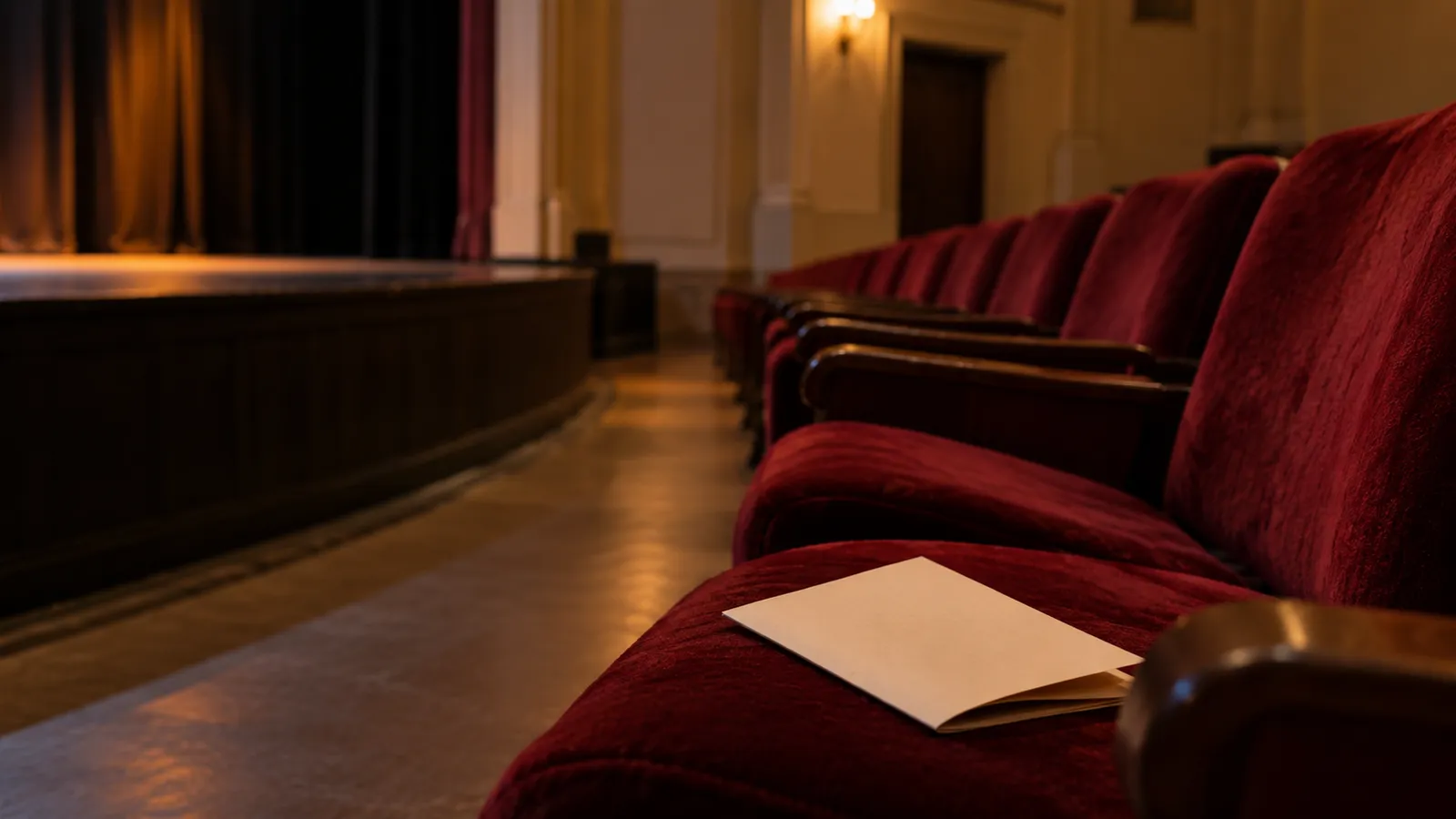
A theatre façade may catch your eye, but choosing a performance starts with the work itself. Before booking, read its synopsis, language, format and audience guidance. A comedy, a movement-based piece and a monologue ask for different kinds of attention. A famous building does not determine which you will enjoy most.
The Cultural Information System’s theatre directory helps identify venues in Yucatán. Use it as a reference for the space, not proof that a production is still running or that every area is open. For choosing artistic content, the particular production’s information matters most.
Read the synopsis for the experience it proposes
Ask what kind of attention the work requires. Does dialogue dominate? Is there narration, music, movement or audience interaction? A description mentioning participation may not explain how much you will be expected to contribute. If that affects your choice, ask beforehand.
A work based on historical events is not necessarily a lecture, and documentary theatre need not reproduce every event literally. Theatre makes choices about selection, form and viewpoint. You can engage with its argument without treating everything represented as direct historical evidence.
Make language part of the choice
If your Spanish is limited, look for information about the importance of spoken text, surtitles or other support. Do not assume a production with music can be understood without words. Equally, do not dismiss an appealing visual work: reading a synopsis beforehand may help you follow it.
Regional theatre can involve wordplay and local references that require context. This does not make the performance a test for visitors. Choose according to your curiosity and comfort with not understanding everything, without expecting the production to change around you.
Reading a short description in your preferred language before arriving is generally less disruptive than consulting a bright translation screen throughout the performance. Keep any preparation separate from the shared experience in the room.
Consider the actual performance space
Ask about sightlines, seating type and access when these affect your enjoyment. The same venue may offer different experiences depending on a production’s layout. For sensory needs, ask about intense sound, lighting and whether leaving and returning is possible.
With children, examine age guidance and content rather than relying only on family-friendly promotional wording. A short running time does not automatically make a production suitable for every age. Use the company’s information and ask a precise question when a consequential detail is missing.
Use the programme to recognise the work involved
Look for credited writing, direction, performers, lighting, sound and set design. During the performance, pay attention to one of those layers. Afterwards, describe how it contributed to a scene rather than limiting discussion to whether you liked it.
Follow the production’s arrival, recording and circulation instructions. To find options without confusing old announcements with current performances, use our cultural listings guide. If music feels like a better starting point, explore listening to trova.