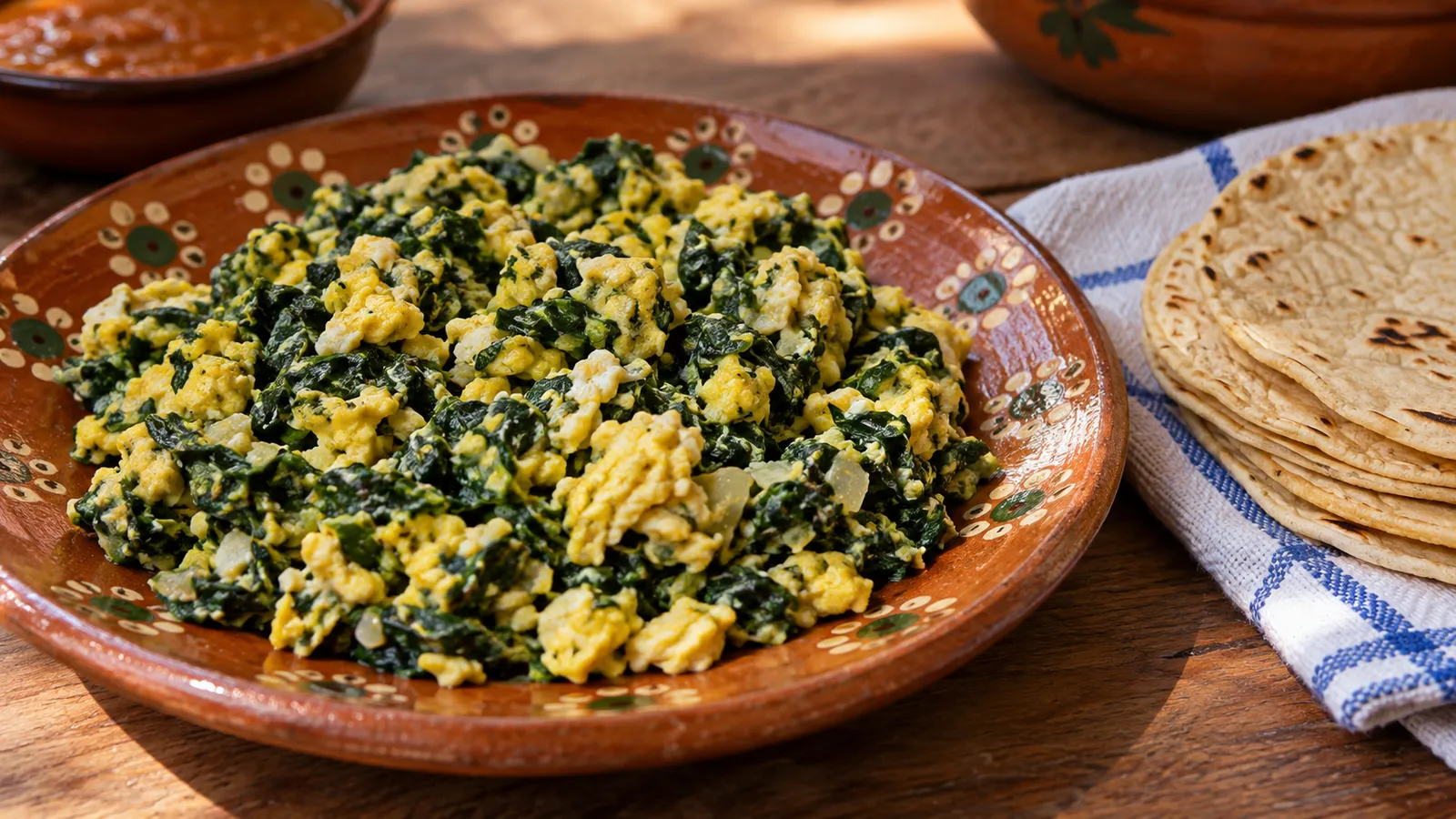
Chaya offers a way to explore Yucatecan ingredients beyond meat-based dishes. Begin with a cooked preparation the kitchen can explain, such as chaya with egg. SEFOTUR’s Espita guide records that regional dish, while CIATEJ documents the leaf’s presence in Yucatán’s cooking.
One precaution is essential: do not eat the leaves raw. UF/IFAS’s institutional chaya publication warns that raw leaves are poisonous. The informal name “Maya spinach” does not mean they can be used like a raw salad green.
Choose a dish rather than a health promise
Read the complete preparation: chaya with eggs, a cooked masa-based dish containing it, or another cooked meal the business can describe. Choose according to the ingredients and what you want to eat. Words such as natural or traditional do not establish that a food treats an illness or suits every person.
If chaya is promoted for supposed medical effects, keep that claim separate from the meal. This guide does not recommend using it as treatment or replacing medication with a food or drink.
Ask about preparation before ordering
“¿La chaya se coció antes de incorporarla?” asks whether the chaya was cooked before being incorporated. It begins a specific conversation. If the answer indicates that it is raw, choose another preparation. A green drink or finely chopped garnish does not reveal visually what was done to the leaves.
This guide does not provide home cooking times or methods for neutralising the plant’s compounds. Learning to prepare chaya requires reliable instructions for a correctly identified food ingredient. Sampling leaves from a garden or improvising a blended drink is not an appropriate first step.
Consider the other ingredients
A chaya dish may also contain egg, cheese, lard or other components, depending on the recipe. If you are seeking plant-based food, ask about the entire preparation. Adding chaya to a dish does not automatically change the properties of everything else on the plate.
For a shared meal, tell the other diners which ingredients the kitchen confirmed. Do not present an adaptation as vegetarian, vegan or allergen-free without the information needed to support that description. Our vegetarian ordering guide helps with questions about fats and stocks.
If you are considering buying leaves
Choose an identified food product from a supplier who can explain its intended use, rather than harvesting a plant because it resembles a photograph. Before taking it home, decide where you will obtain appropriate preparation instructions. If you do not have that plan, choose a cooked dish from a kitchen familiar with the ingredient instead.
To explore other ingredients without beginning with leaves that require specific treatment, read about masa and tortillas or ibes and espelón. Each ingredient benefits from its own clear introduction, rather than being treated as interchangeable with something familiar.