Choose between Celestún and Río Lagartos by looking at your route first, then checking current viewing conditions. A responsible wildlife trip cannot promise a close encounter with a particular animal. It should still feel worthwhile when flamingos remain distant, with time to observe the landscape and a guide who explains what you are seeing.
Start with where you are staying
For a Mérida-based trip, begin by comparing Celestún departures. For an itinerary centered on Valladolid and eastern Yucatán, investigate Río Lagartos. This is a planning recommendation informed by CONANP’s access information for Ría Celestún and Ría Lagartos, rather than a guarantee about driving time.
Map the actual departure point, your accommodation and the next stop before booking. Visiting both reserves solely to improve your chances of a photograph can turn a relaxed itinerary into a sequence of transfers. Consider an overnight stay if it makes the journey more manageable, but confirm transport rather than assuming a late return will be easy to arrange.
Treat seasons as context, not promises
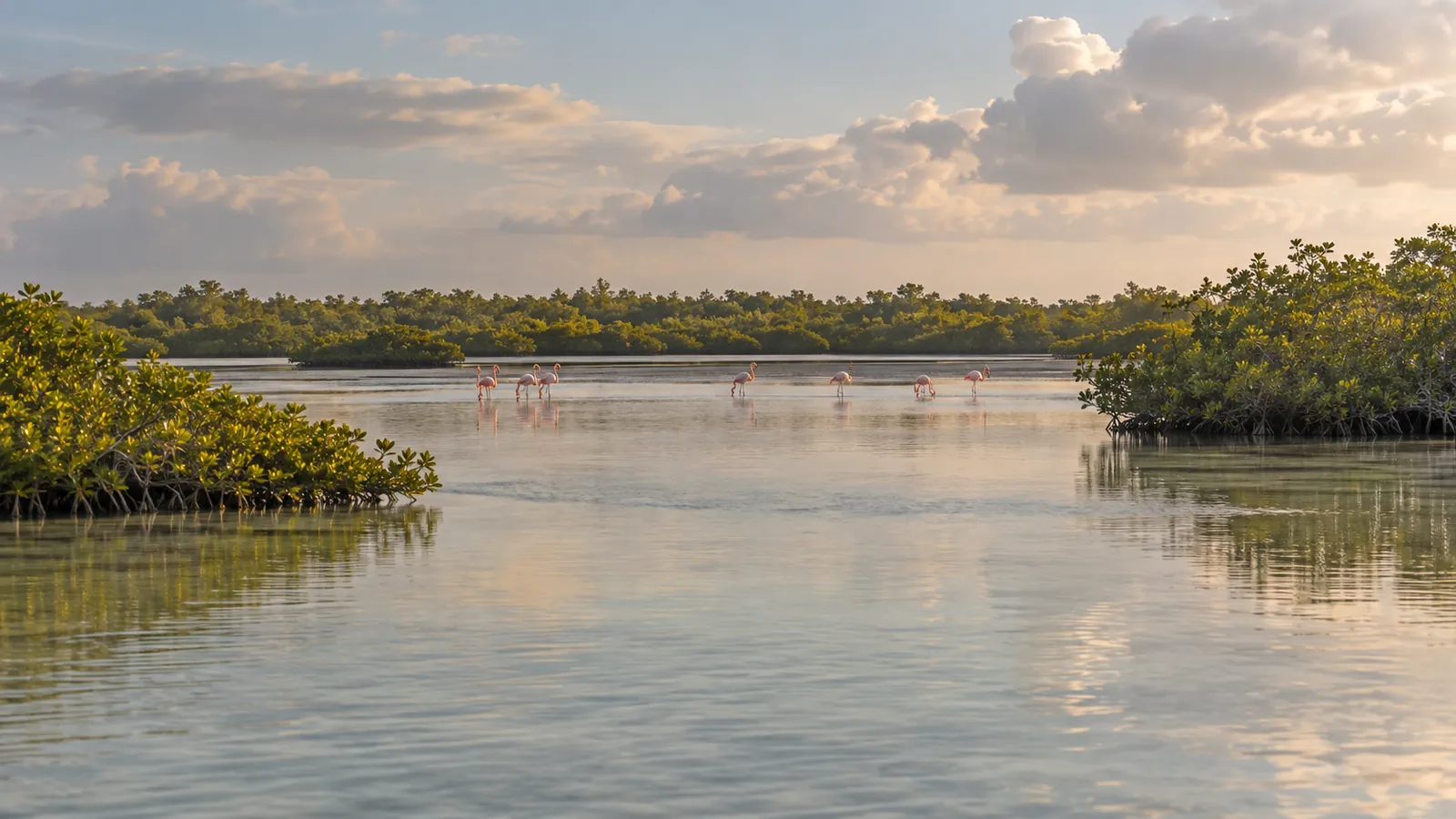
CONANP identifies November to February as a period of larger flamingo and migratory-bird concentrations at Celestún. Its Ría Lagartos page highlights that reserve’s importance for flamingo nesting. Those descriptions help set expectations; they do not tell you where birds will be on your date. A breeding area is not automatically an area tourists may enter.
Ask the operator what guides have observed recently and from which permitted locations. Ask what else the trip covers if flamingos are absent or distant. An honest answer is more useful than a confident promise. Bring binoculars if you have them, and let your camera’s reach determine the picture instead of asking the boat to get closer.
Ask how wildlife rules shape the tour
CONANP’s Ría Lagartos visitor guidance calls for authorized guides and respect for the reserve’s zoning. Ask the operator to explain their authorization, permitted route and any current restrictions. A good explanation should be specific enough to help you understand why some areas are unavailable.
At Celestún, CONANP says to remain at least 50 meters from flamingos. Ask how that is maintained and support the guide if more space is needed. Do not feed, call to or pursue animals for a better picture. Decline opportunities that depend on disturbing wildlife, and avoid requesting a landing outside authorized areas.
Understand the booking you are making
- Is the price per passenger or for the entire boat, and which charges are separate?
- What are the exact boarding and return points? Is road transport included?
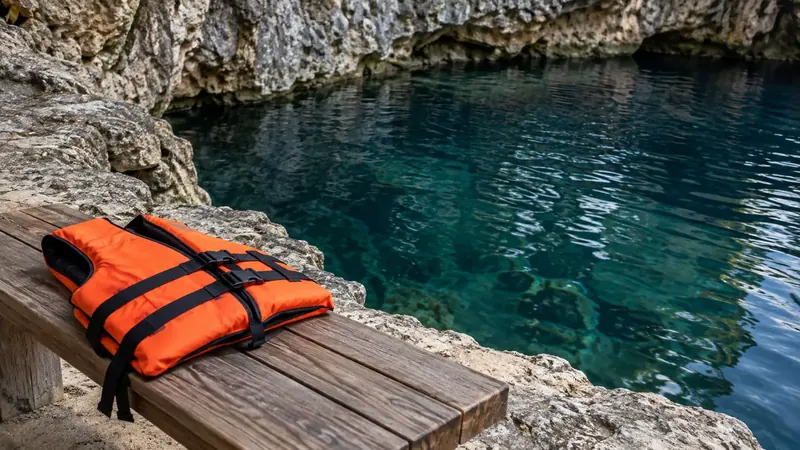
- How many people share the boat, and are properly sized life jackets available?
- What does boarding involve for someone who needs assistance?
- What are the cancellation or rescheduling terms if conditions prevent departure?
Request the answers in writing and keep the operator’s contact details available offline. Check the language of guiding if an English explanation matters to your group. Clarify whether meals, additional admissions and optional stops are included. You do not have to accept every activity in a package to have a worthwhile nature visit.
Prepare for a day outdoors
Bring drinking water, a hat, clothing that covers your skin and splash protection for electronics. Ask what facilities are available at the boarding point and whether there are any toilet stops. Allow time to eat and rest without a tightly timed onward connection.
Keep a land-based alternative available and do not pressure a crew to leave when conditions are unsuitable. Our guides to choosing a Mérida-area base and spending two days in Valladolid can help you rearrange the surrounding itinerary. The best decision is made before boarding: choose a trip whose success does not require changing an animal’s behavior.